Tag Archives: modelling

Nigel Gilbert

By Corinna Elsenbroich & Petra Ahrweiler

The first piece on winners of the European Social Simulation Association’s Rosaria Conte Outstanding Contribution Award for Social Simulation.

Gilbert, a former sociologist of science, has been one of the chief links in Britain between computer scientists and sociologists of science” [1, p. 294]

Nigel has always been and still is a sociologist – not only of science, but also of technology, innovation, methods and many other subfields of sociology with important contributions in theory, empirical research and sociological methods.

He has pioneered a range of sociological areas such as Sociology of Scientific Knowledge, Secondary Analysis of Government Datasets, Access to Social Security Information, Social Simulation, and Complexity Methods of Policy Evaluation.

Collins is right, however, that Nigel is one of the chief links between sociologists and computer scientists in the UK and beyond. This earned him to be elected as the first practising social scientist elected as a Fellow of the Royal Academy of Engineering (1999). As the principal founding father of agent-based modelling as a method for the social sciences in Europe, he initiated, promoted and institutionalised a completely novel way of doing social sciences through the Centre for Research in Social Simulation (CRESS) at the University of Surrey, the Journal of Artificial Societies and Social Simulation (JASSS), founded Sociological Research Online (1993) and Social Research Update. Nigel has 100s of publications on all aspects of social simulation and seminal books like: Simulating societies: the computer simulation of social phenomena (Gilbert & Doran 1994), Artificial Societies: The Computer Simulation of Social Phenomena (Gilbert & Conte 1995), Simulation for the Social Scientist (Gilbert &Troitzsch 2005), and Agent-based Models (Gilbert 2019). His entrepreneurial spirit and acumen resulted in over 25 large project grants (across the UK and Europe), often in close collaboration with policy and decision makers to ensure real life impact, a simulation platform on innovation networks called SKIN, and a spin off company CECAN Ltd, training practitioners in complexity methods and bringing their use to policy evaluation projects.

Nigel is a properly interdisciplinary person, turning to the sociology of scientific knowledge in his PhD under Michael Mulkay after graduating in Engineering from Cambridge’s Emmanuel College. He joined the Sociology Department at the University of Surrey in 1976 where he became professor of sociology in 1991. Nigel was appointed Commander of the Order of the British Empire (CBE) in 2016 for contributions to engineering and social sciences.

He was the second president of the European Social Simulation Association ESSA, the originator of the SIMSOC mailing list, launched and edited the Journal of Artificial Societies and Social Simulation from 1998-2014 and he was the first holder of the Rosaria Conte Outstanding Contribution Award for Social Simulation in 2016, an unanimous decision by the ESSA Management Committee.

Despite all of this, all these achievements and successes, Nigel is the most approachable, humble and kindest person you will ever meet. In any peril he is the person that will bring you a step forward when you need a helping hand. On asking him, after getting a CBE etc. what is the recognition that makes him most happy, he said, with the unique Nigel Gilbert twinkle in his eye, “my Rosaria Conte Award”.

References

Collins, H. (1995). Science studies and machine intelligence. In Handbook of Science and Technology Studies, Revised Edition (pp. 286-301). SAGE Publications, Inc., https://doi.org/10.4135/9781412990127

Gilbert, N., & Doran, R. (Eds.). (1994). Simulating societies: the computer simulation of social phenomena. Routledge.

Gilbert, N. & Conte, R. (1995) Artificial Societies: the computer simulation of social life. Routeledge. https://library.oapen.org/handle/20.500.12657/24305

Gilbert, N. (2019). Agent-based models. Sage Publications.

Gilbert, N., & Troitzsch, K. (2005). Simulation for the social scientist. Open University Press; 2nd edition.


Elsenbroich, C. & Ahrweiler, P. (2025) Nigel Gilbert. Review of Artificial Societies and Social Simulation, 3 Mar 2025. https://rofasss.org/2025/04/03/nigel-gilbert


© The authors under the Creative Commons’ Attribution-NoDerivs (CC BY-ND) Licence (v4.0)

Outlining some requirements for synthetic populations to initialise agent-based models

By Nick Roxburgh1, Rocco Paolillo2, Tatiana Filatova3, Clémentine Cottineau3, Mario Paolucci2 and Gary Polhill1

1  The James Hutton Institute, Aberdeen AB15 8QH, United Kingdom {nick.roxburgh,gary.polhill}@hutton.ac.uk

2  Institute for Research on Population and Social Policies, Rome, Italy {rocco.paolillo,mario.paolucci}@cnr.it

3 Delft University of Technology, Delft, The Netherlands {c.cottineau,t.filatova}@tudelft.nl

Abstract. We propose a wish list of features that would greatly enhance population synthesis methods from the perspective of agent-based modelling. The challenge of synthesising appropriate populations is heightened in agent-based modelling by the emphasis on complexity, which requires accounting for a wide array of features. These often include, but are not limited to: attributes of agents, their location in space, the ways they make decisions and their behavioural dynamics. In the real-world, these aspects of everyday human life can be deeply interconnected, with these associations being highly consequential in shaping outcomes. Initialising synthetic populations in ways that fail to respect these covariances can therefore compromise model efficacy, potentially leading to biased and inaccurate simulation outcomes.

1 Introduction

With agent-based models (ABMs), the rationale for creating ever more empirically informed, attribute-rich synthetic populations is clear: the closer agents and their collectives mimic their  real-world counterparts, the more accurate the models can be and the wider the range of questions they can be used to address (Zhou et al., 2022). However, while many ABMs would benefit from synthetic populations that more fully capture the complexity and richness of real-world populations – including their demographic and psychological attributes, social networks, spatial realms, decision making, and behavioural dynamics – most efforts are stymied by methodological and data limitations. One reason for this is that population synthesis methods have predominantly been developed with microsimulation applications in mind (see review by Chapuis et al. (2022)), rather than ABM. We therefore argue that there is a need for improved population synthesis methods, attuned to support the specific requirements of the ABM community, as well as commonly encountered data constraints. We propose a wish list of features for population synthesis methods that could significantly enhance the capability and performance of ABMs across a wide range of application domains, and we highlight several promising approaches that could help realise these ambitions. Particular attention is paid to methods that prioritise accounting for covariance of characteristics and attributes.

2 The interrelationships among aspects of daily life

2.1 Demographic and psychological attributes

To effectively replicate real-world dynamics, ABMs must realistically depict demographic and psychological attributes at both individual and collective levels. A critical aspect of this realism is accounting for the covariance of such attributes. For instance, interactions between race and income levels significantly influence spatial segregation patterns in the USA, as demonstrated in studies like Bruch (2014).

Several approaches to population synthesis have been developed over the years, often with a specific focus on assignment of demographic attributes. That said, where psychological attributes are collected in surveys alongside demographic data, they can be incorporated into synthetic populations just like other demographic attributes (e.g., Wu et al. (2022)). Among the most established methods is Iterative Proportional Fitting (IPF). While capable of accounting for covariances, it does have significant limitations. One of these is that it “matches distributions only at one demographic level (i.e., either household or individual)” (Zhou et al., 2022 p.2). Other approaches have sought to overcome this – such as Iterative Proportional Updating, Combinatorial Optimisation, and deep learning methods – but they invariably have their own limitations and downsides, though the extent to which these will matter depends on the application. In their overview of the existing population synthesis landscape, Zhou et al., (2022) suggest that deep learning methods appear particularly promising for high-dimensional cases. Such approaches tend to be data hungry, though – a potentially significant barrier to exploitation given many studies already face challenges with survey availability and sample size.

2.2 Social networks

Integrating realistic social networks into ABMs during population synthesis is crucial for effectively mimicking real-world social interactions, such as those underlying epidemic spread, opinion dynamics, and economic transactions (Amblard et al., 2015). In practice, this means generating networks that link agents by edges that represent particular associations between them. These networks may need to be weighted, directional, or multiplex, and potentially need to account for co-dependencies and correlations between layers. Real-world social networks emerge from distinct processes and tendencies. For example, homophily preferences strongly influence the likelihood of friendship formation, with connections more likely to have developed in cases where agents share attributes like age, gender, socio-economic context, and location (McPherson et al., 2001). Another example is personality which can strongly influence the size and nature of an individual’s social network (Zell et al., 2014). For models where social interactions play an important role, it is therefore critical that consideration be given to the underlying factors and mechanisms that are likely to have influenced the development of social networks historically, if synthetic networks are to have any chance of reasonably depicting real world network structures.

Generating synthetic social networks is challenging due to often limited or unavailable data. Consequently, researchers tend to use simple models like regular lattices, random graphs, small-world networks, scale-free networks, and models based on spatial proximity. These models capture basic elements of real-world social networks but can fall short in complex scenarios. For instance, Jiang et al. (2022) describes a model where agents, already assigned to households and workplaces, form small-world networks based on employment or educational ties. While this approach accounts for spatial and occupational similarities, it overlooks other factors, limiting its applicability for networks like friendships that rely on personal history and intangible attributes.

To address these limitations, more sophisticated methods have been proposed, including Exponential Random Graph Models (ERGM) (Robins et al., 2007) and Yet Another Network Generator (YANG) (Amblard et al., 2015). However, they also come with their own challenges; for example, ERGMs sometimes misrepresent the likelihood of certain network structures, deviating from real-world observations.

2.3 Spatial locations

The places where people live, work, take their leisure and go to school are critically interlinked and interrelated with social networks and demographics. Spatial location also affects options open to people, including transport, access to services, job opportunities and social encounters. ABMs’ capabilities in representing space explicitly and naturally is a key attraction for geographers interested in social simulation and population synthesis (Cottineau et al., 2018). Ignoring the spatial concentration of agents with common traits, or failing to account for the effects that space has on other aspects of everyday human existence, risks overlooking a critical factor that influences a wide range of social dynamics and outcomes.

Spatial microsimulation generates synthetic populations tailored to defined geographic zones, such as census tracts (Lovelace and Dumont, 2017). However, many ABM applications require agents to be assigned to specific dwellings and workplaces, not just aggregated zones. While approaches to dealing with this have been proposed, agreement on best practice is yet to cohere. Certain agent-location assignments can be implemented using straightforward heuristic methods without greatly compromising fidelity, if heuristics align well with real-world practices. For example, children might be allocated to schools simply based on proximity, such as in Jiang et al., (2022). Others use rule-based or stochastic methods to account for observed nuances and random variability, though these often take the form of crude approximations. One of the more well-rounded examples is detailed by Zhou et al. (2022). They start by generating a synthetic population, which they then assign to specific dwellings and jobs using a combination of rule-based matching heuristic and probabilistic models. Dwellings are assigned to households by considering factors like household size, income, and dwelling type jointly. Meanwhile, jobs are assigned to workers using a destination choice model that predicts the probability of selecting locations based on factors such as sector-specific employment opportunities, commuting costs, and interactions between commuting costs and individual worker attributes. In this way, spatial location choices are more closely aligned with the diverse attributes of agents. The challenge with such an approach is to obtain sufficient microdata to inform the rules and probabilities.

2.4 Decision-making and behavioural dynamics

In practice, peoples’ decision-making and behaviours are influenced by an array of factors, including their individual characteristics such as wealth, health, education, gender, and age, their social network, and their geographical circumstances. These factors shape – among other things – the information agents’ are exposed to, the choices open to them, the expectations placed on them, and their personal beliefs and desires (Lobo et al., 2023). Consequently, accurately initialising such factors is important for ensuring that agents are predisposed to make decisions and take actions in ways that reflect how their real world counterparts might behave. Furthermore, the assignment of psychographic attributes to agents necessitates the prior establishment of these foundational characteristics as they are often closely entwined.

Numerous agent decision-making architectures have been proposed (see Wijermans et al. (2023)). Many suggest that a range of agent state attributes could, or even should, be taken into consideration when evaluating information and selecting behaviours. For example, the MoHub Framework (Schlüter et al., 2017) proposes four classes of attributes as potentially influential in the decision-making process: needs/goals, knowledge, assets, and social. In practice, however, the factors taken into consideration in decision-making procedures tend to be much narrower. This is understandable given the higher data demands that richer decision-making procedures entail. However, it is also regrettable given we know that decision-making often draws on many more factors than are currently accounted for, and the ABM community has worked hard to develop the tools needed to depict these richer processes.

3 Practicalities

Our wish list of features for synthetic population algorithms far exceeds their current capabilities. Perhaps the main issue today is data scarcity, especially concerning less tangible aspects of populations, such as psychological attributes and social networks, where systematic data collection is often more limited. Another significant challenge is that existing algorithms struggle to manage the numerous conditional probabilities involved in creating realistic populations, excelling on niche measures of performance but not from a holistic perspective. Moreover, there are accessibility issues with population synthesis tools. The next generation of methods need to be made more accessible to non-specialists through developing easy to use stand-alone tools or plugins for widely used platforms like NetLogo, else they risk not having their potential exploited.

Collectively, these issues may necessitate a fundamental rethink of how synthetic populations are generated. The potential benefits of successfully addressing these challenges are immense. By enhancing the capabilities of synthetic population tools to meet the wish list set out here, we can significantly improve model realism and expand the potential applications of social simulation, as well as strengthen credibility with stakeholders. More than this, though, such advancements would enhance our ability to draw meaningful insights, respecting the complexities of real-world dynamics. Most critically, better representation of the diversity of actors and circumstances reduces the risk of overlooking factors that might adversely impact segments of the population – something there is arguably a moral imperative to strive for.

Acknowledgements

MP & RP were supported by FOSSR (Fostering Open Science in Social Science Research), funded by the European Union – NextGenerationEU under NPRR Grant agreement n. MUR IR0000008. CC was supported by the ERC starting Grant SEGUE (101039455).

References

Amblard, F., Bouadjio-Boulic, A., Gutiérrez, C.S. and Gaudou, B. 2015, December. Which models are used in social simulation to generate social networks? A review of 17 years of publications in JASSS. In 2015 Winter Simulation Conference (WSC) (pp. 4021-4032). IEEE. https://doi.org/10.1109/WSC.2015.7408556

Bruch, E.E., 2014. How population structure shapes neighborhood segregation. American Journal of Sociology119(5), pp.1221-1278. https://doi.org/10.1086/675411

Chapuis, K., Taillandier, P. and Drogoul, A., 2022. Generation of synthetic populations in social simulations: a review of methods and practices. Journal of Artificial Societies and Social Simulation25(2). https://doi.org/10.18564/jasss.4762

Cottineau, C., Perret, J., Reuillon, R., Rey-Coyrehourcq, S. and Vallée, J., 2018, March. An agent-based model to investigate the effects of social segregation around the clock on social disparities in dietary behaviour. In CIST2018-Représenter les territoires/Representing territories (pp. 584-589). https://hal.science/hal-01854398v1

Jiang, N., Crooks, A.T., Kavak, H., Burger, A. and Kennedy, W.G., 2022. A method to create a synthetic population with social networks for geographically-explicit agent-based models. Computational Urban Science2(1), p.7. https://doi.org/10.1007/s43762-022-00034-1

Lobo, I., Dimas, J., Mascarenhas, S., Rato, D. and Prada, R., 2023. When “I” becomes “We”: Modelling dynamic identity on autonomous agents. Journal of Artificial Societies and Social Simulation26(3). https://doi.org/10.18564/jasss.5146

Lovelace, R. and Dumont, M., 2017. Spatial microsimulation with R. Chapman and Hall/CRC. https://spatial-microsim-book.robinlovelace.net

McPherson, M., Smith-Lovin, L. and Cook, J.M., 2001. Birds of a feather: Homophily in social networks. Annual review of sociology27(1), pp.415-444. https://doi.org/10.1146/annurev.soc.27.1.415

Robins, G., Pattison, P., Kalish, Y. and Lusher, D., 2007. An introduction to exponential random graph (p*) models for social networks. Social networks29(2), pp.173-191. https://doi.org/10.1016/j.socnet.2006.08.002

Schlüter, M., Baeza, A., Dressler, G., Frank, K., Groeneveld, J., Jager, W., Janssen, M.A., McAllister, R.R., Müller, B., Orach, K. and Schwarz, N., 2017. A framework for mapping and comparing behavioural theories in models of social-ecological systems. Ecological economics131, pp.21-35. https://doi.org/10.1016/j.ecolecon.2016.08.008

Wijermans, N., Scholz, G., Chappin, É., Heppenstall, A., Filatova, T., Polhill, J.G., Semeniuk, C. and Stöppler, F., 2023. Agent decision-making: The Elephant in the Room-Enabling the justification of decision model fit in social-ecological models. Environmental Modelling & Software170, p.105850. https://doi.org/10.1016/j.envsoft.2023.105850

Wu, G., Heppenstall, A., Meier, P., Purshouse, R. and Lomax, N., 2022. A synthetic population dataset for estimating small area health and socio-economic outcomes in Great Britain. Scientific Data9(1), p.19. https://doi.org/10.1038/s41597-022-01124-9

Zell, D., McGrath, C. and Vance, C.M., 2014. Examining the interaction of extroversion and network structure in the formation of effective informal support networks. Journal of Behavioral and Applied Management15(2), pp.59-81. https://jbam.scholasticahq.com/article/17938.pdf

Zhou, M., Li, J., Basu, R. and Ferreira, J., 2022. Creating spatially-detailed heterogeneous synthetic populations for agent-based microsimulation. Computers, Environment and Urban Systems91, p.101717. https://doi.org/10.1016/j.compenvurbsys.2021.101717


Roxburgh, N., Paolillo, R., Filatova, T., Cottineau, C., Paolucci, M. and Polhill, G. (2025) Outlining some requirements for synthetic populations to initialise agent-based models. Review of Artificial Societies and Social Simulation, 27 Jan 2025. https://rofasss.org/2025/01/29/popsynth


© The authors under the Creative Commons’ Attribution-NoDerivs (CC BY-ND) Licence (v4.0)

Delusional Generality – how models can give a false impression of their applicability even when they lack any empirical foundation

By Bruce Edmonds1, Dino Carpentras2, Nick Roxburgh3, Edmund Chattoe-Brown4 and Gary Polhill3

  1. Centre for Policy Modelling, Manchester Metropolitan University
  2. Computational Social Science, ETH Zurich
  3. James Hutton Institute, Aberdeen
  4. University of Leicester

“Hamlet: Do you see yonder cloud that’s almost in shape of a camel?
Polonius: By the mass, and ‘tis like a camel, indeed.
Hamlet: Methinks it is like a weasel.
Polonius: It is backed like a weasel.
Hamlet: Or like a whale?
Polonius: Very like a whale.

Models and Generality

The essence of a model is that it represents – if it is not a model of something it is not a model at all (Zeigler 1976, Wartofsky 1979). A random bit of code or set of equations is not a model. The point of a model is that one can use the model to infer or understand some aspects about what it represents. However, models can represent a variety of kinds of things in a variety of ways (Edmonds & al. 2019) – it can represent ideas, correspond to data, or aspects of other models and it can represent each of these in either a vague or precise manner. To completely understand a model – its construction, properties and working – one needs to understand how it does this mapping. This piece focuses attention on this mapping, rather than the internal construction of models.

What a model reliably represents may be a single observed situation, but it might satisfactorily represent more than one such situation. The range of situations that the model satisfactorily represents is called the “scope” of the model (what is “satisfactory” depending on the purpose for which the model is being used). The more extensive the scope, the more “general” we say the model is. A model that only represents one case has no generality at all and may be more in the nature of a description.

There is a hunger for general accounts of social phenomena (let us call these ‘theories’). However, this hunger is often frustrated by the sheer complexity and ‘messiness’ involved in such phenomena. If every situation we observe is essentially different, then no such theory is possible. However, we hope that this is not the case for the social world and, indeed, informal observation suggests that there is, at least some, commonality between situations – in other words, that some kind of reliable generalisation about social phenomena might be achievable, however modest (Merton 1968). This piece looks at two kinds of applicability – analogical applicability and empirical applicability – and critiques those that conflate them. Although the expertise of the authors is in the agent-based modelling of social phenomena, and so we restrict our discussion to this, we strongly suspect that our arguments are true for many kinds of modelling across a range of domains.

In the next sections we contrast two uses for models: as analogies (ways of thinking about observed systems) and those that intend to represent empirical data in a more precise way. There are, of course, other uses of model such as that of exploring theory which have nothing to do with anything observed.

Models used as analogies

Analogical applicability comes from the flexibility of the human mind in interpreting accounts in terms of the different situations. When we encounter a new situation, the account is mapped onto it – the account being used as an analogy for understanding this situation. Such accounts are typically in the form of a narrative, but a model can also be used as an analogy (which is the case we are concerned with here). The flexibility with which this mapping can be constructed means that such an account can be related to a wide range of phenomena. Such analogical mapping can lead to an impression that the account has a wide range of applicability. Analogies are a powerful tool for thinking since it may give us some insights into otherwise novel situations. There are arguments that analogical thinking is a fundamental aspect of human thought (Hofstadter 1995) and language (Lakoff 2008). We can construct and use analogical mappings so effortlessly that they seem natural to us. The key thing about analogical thinking is that the mapping from the analogy to the situation to which it is applied is re-invented each time – there is no fixed relationship between the analogy and what it might be applied to. We are so good at doing this that we may not be aware of how different the constructed mapping is each time. However, its flexibility comes at a cost, namely that because there is no well-defined relationship with what it applies to, the mapping tends to be more intuitive than precise. An analogy can give insights but analogical reasoning suggests rather than establishes anything reliably and you cannot empirically test it (since analogical mappings can be adjusted to avoid falsification). Such “ways of thinking” might be helpful, but equally might be misleading [note ‎1].

Just because the content of an analogy might be expressed formally does not change any of this (Edmonds 2018), in fact formally expressed analogies might give the impression of being applicable, but often are only related to anything observed via ideas – the model relates to some ideas, and the ideas relate to reality (Edmonds 2000). Using models as analogies is a valid use of models but this is not an empirically reliable one (Edmonds et al. 2019). Arnold (2013) makes a powerful argument that many of the more abstract simulation models are of this variety and simply not relatable to empirically observed cases and data at all – although these give the illusion of wide applicability, that applicability is not empirical. In physics the ways of thinking about atomic or subatomic entities have changed over time whilst the mathematically-expressed, empirically-relevant models have not (Hartman 1997). Although Thompson (2022) concentrates on mathematically formulated models, she also distinguishes between well-validated empirical models and those that just encapsulate the expertise/opinion of the modeller. She gives some detailed examples of where the latter kind had disproportionate influence, beyond that of other expertise, just because it was in the form of a model (e.g. the economic impact of climate change).

An example of an analogical model is described in Axelrod (1984) – a formalised tournament where algorithmically-expressed strategies are pitted against each other, playing the iterated prisoner’s dilemma game. It is shown how the ‘tit for tat’ strategy can survive against many other mixes of strategies (static or evolving).  In the book, the purpose of the model is to suggest a new way of thinking about the evolution of cooperation. The book claims the idea ‘explains’ many observed phenomena, but this in an analogical manner – no precise relationship with any observed measurements is described. There is no validation of the model here or in the more academic paper that described these results (Axelrod & Hamilton 1981).

Of course, researchers do not usually call their models “analogies” or “analogical” explicitly but tend to use other phrasings that imply a greater importance. An exception is Epstein (2008) where it is explicitly listed as one of the 15 modelling purposes, other than prediction, that he discusses. Here he says such models are “…more than beautiful testaments to the unifying power of models: they are headlights in dark unexplored territory.” (ibid.) thus suggesting their use in thinking about phenomena where we do not already have reliable empirical models. Anything that helps us think about such phenomena could be useful, but that does not mean they are at all reliable. As Herbert Simon said: “Metaphor and analogy can be helpful, or they can be misleading. ” (Simon 1968, p. 467).

Another purpose listed in Epstein (2008) is to “Illuminate core dynamics”. After raising the old chestnut that “All models are wrong”, he goes on to justify them on the grounds that “…they capture qualitative behaviors of overarching interest”. This is fine if the models are, in fact, known to be useful as more than vague analogies [Note 2] – that they do, in some sense, approximate observed phenomena – but this is not the case with novel models that have not been empirically tested. This phrase is more insidious, because it implies that the dynamics that have been illuminated by the model are “core” – some kind of approximation of what is important about the phenomena, allowing for future elaborations to refine the representation. This implies a process where an initially rough idea is iteratively improved. However, this is premature because we do not know if what has been abstracted away in the abstract model was essential to the dynamics of the target phenomena or not without empirical testing – this is just assumed or asserted based on the intuitions of the modeller.

This idea of the “core dynamics” leads to some paradoxical situations – where a set of competing models are all deemed to be core. Indeed, the literature has shown how the same phenomenon can be modelled in many contrasting ways. For instance, political polarisation has been modelled through models with mechanisms for repulsion, bounded confidence, reinforcement, or even just random fluctuations, to name a few (Flache et al., 2017; Banisch & Olbrich 2019; Carpentras et al. 2022). However, it is likely that only a few of them contribute substantially to the political polarisation we observe in the real world, and so that all the others are not a real “core dynamic” but until we have more empirical work we do not know which are core and which not.

A related problem with analogical models is that, even when relying on parsimony principles [Note 3], it is not possible to decide which model is better. This aspect, combined with the constant production of new models, can makes the relevant literature increasingly difficult to navigate as models proliferate without any empirical selection, especially for researchers new to ABM. Furthermore, most analogical models define their object of study in an imprecise manner so that it is hard to evaluate whether they are even intended to capture element of any particular observed situation. For example, opinion dynamics models rarely define the type of interaction they represent (e.g. in person vs online) or even what an opinion is. This has led to cases where even knowledge of facts has been studied as “opinions” (e.g. Chacoma & Zanette, 2015).

In summary, analogical models can be a useful tool to start thinking about complex phenomena. However, the danger with them is that they give an impression of progress but result in more confusion than clarity, possibly slowing down scientific progress. Once one has some possible insights, one needs to confront these with empirical data to determine which are worth further investigation.

Models that relate directly to empirical data

An empirical model, in contrast, has a well-defined way of mapping to the phenomena it represents. For example, the variables of the gas laws (volume, temperature and pressure) are measured using standard methods developed over a long period of time, one does not invent a new way of doing this each time the laws are applied. In this case, the ways of measuring these properties have developed alongside the mathematical models of the laws so that these work reliably under broad (and well known) conditions and cannot be adjusted at the whim of a modeller. Empirical generality comes from when a model applies reliably to many different situations – in the case of the gas laws, to a wide range of materials in gaseous form to a high degree of accuracy.

Empirical models can be used for different purposes, including: prediction, explanation and description (Edmonds et al. 2019). Each of these uses how the model is mapped to empirical data in different ways, to reflect these purposes. With a descriptive model the mapping is one-way from empirical data to the model to justify the different parts. In a predictive model, the initial model setup is determined from known data and the model is then run to get its results. These results are then mapped back to what we might expect as a prediction, which can be later compared to empirically measured values to check the model’s validity. An explanatory model supports a complex explanation of some known outcomes in terms of a set of processes, structures and parameter values. When it is shown that the outcomes of such a model sufficiently match those from the observed data – the model represents a complex chain of causation that would result in that data in terms of the processes, structures and parameter values it comprised. It thus supports an explanation in terms of the model and its input of what was observed. In each of these three cases the mapping from empirical data to the model happens in a different order and maybe in a different direction, however they all depend upon the mapping being well defined.

Cartwright (1983), studying how physics works, distinguished between explanatory and phenomenological laws – the former explains but does not necessary relate exactly to empirical data (such as when we fit a line to data using regression), whilst the latter fits the data but does not necessarily explain (like the gas laws). Thus the jobs of theoretical explanation and empirical prediction are done by different models or theories (often calling the explanatory version “theory” and the empirical versions “models”). However, in physics the relationship between the two is, itself, examined so that the “bridging laws” between them are well understood, especially in formal terms. In this case, we attribute reliable empirical meaning to the explanatory theories to the extent that the connection to the data is precise, even though it is done via the intermediary of an “phenomenological” model because both mappings (explanatory↔phenomenological and phenomenological↔empirical data) are precise and well established. The point is that the total mapping from model or theory to empirical data is not subject to interpretation or post-hoc adjustment to improve its fit.

ABMs are often quite complicated and require many parameters or other initialising input to be specified before they can be run. If some of these are not empirically determinable (even in principle) then these might be guessed at using a process of “calibration”, that is searching the space of possible initialisations for some values for which some measured outcomes of the results match other empirical data. If the model has been separately shown to be empirically reliable then one could do such a calibration to suggest what these input values might have been. Such a process might establish that the model captures a possible explanation of the fitted outcomes (in terms of the model plus those backward-inferred input values), but this is not a very strong relationship, since many models are very flexible and so could fit a wide range of possible outcomes. The reliability of such a suggested explanation, supported by the model, is only relative to (a) the empirical reliability of any theory or other assumptions the model is built upon (b) how flexibly the model outcomes can be adjusted to fit the target data and (c) how precisely the choice of outcome measures and fit are. Thus, calibration does not provide strong evidence of the empirical adequacy of an ABM and any explanation supported by such a procedure is only relative to the ‘wiggle room’ afforded by free parameters and unknown input data as well as any assumptions used in the making of the model. However, empirical calibration is better than none and may empirically fix the context in which theoretical exploration occurs – showing that the model is, at least, potentially applicable to the case being considered [Note 4].

An example of a model that is strongly grounded in empirical data is the “538” model of the US electoral college for presidential elections (Silver 2012). This is not an ABM but more like a micro-simulation. It aggregates the uncertainty from polling data to make probabilistic predictions about what this means for the outcomes. The structure of the model comes directly from the rules of the electoral college, the inputs are directly derived from the polling data and it makes predictions about the results that can be independently checked. It does a very specific, but useful job, in translating the uncertainty of the polling data into the uncertainty about the outcome.

Why this matters

If people did not confuse the analogical and empirical cases, there would not be a problem. However, researchers seem to suffer from a variety of “Kuhnian Spectacles” (Kuhn 1962) – namely that because they view their target systems through an analogical model, they tend to think that this is how that system actually is – i.e. that the model has not just analogical but also empirical applicability. This is understandable, we use many layers of analogy to navigate our world and in many every-day cases it is practical to conflate our models with the reality we deal with (when they are very reliable). However, people who claim to be scientists are under an obligation to be more cautious and precise than this, since others might wish to rely upon our theories and models (this is, after all, why they support us in our privileged position). However, such caution is not always followed. There are cases where modellers declare their enterprise a success even after a long period without any empirical backing, making a variety of excuses instead of coming clean about this lack (Arnold 2015).

Another fundamental aspect is that agent-based models can be very interdisciplinary and, because of that, they can be used also by researchers in different fields. However, many fields do not consider models as simple analogies, especially when they provide precise mathematical relationship among variables. This can easily result in confusions where the analogical applicability of ABMs is interpreted as empirical in another field.

Of course, we may be hopeful that, sometime in the future, our vague or abstract analogical model maybe developed into something with proven empirical abilities, but we should not suggest such empirical abilities until these have been established. Furthermore, we should be particularly careful to ensure that non-modellers understand that this possibility is only a hope and not imply anything otherwise (e.g. imply that it is likely to have empirical validity). However, we suspect that in many cases this confusion goes beyond optimistic anticipation and that some modellers conflate analogical with empirical applicability, assuming that their model is basically right just because it seems that way to them. This is what we call “delusional generality” – that a researcher is under the impression that their model has a wide applicability (or potentially wide applicability) due to the attractiveness of the analogy it presents. In other words, unaware of the unconscious process of re-inventing the mapping to each target system, they imagine (without further justification) that it has some reliable empirical (or potentially empirical) generality at its core [Note 5].

Such confusion can have severe real-world consequences if a model with only analogical validity is assumed to also have some empirical reliability. Thompson (2022) discusses how abstract economic models of the cost of future climate change did affect the debate about the need for prevention and mitigation, even though they had no empirical validity. However, agent-based modellers have also made the same mistake, with a slew of completely unvalidated models about COVID affecting public debate about policy (Squazzoni et al 2021).

Conclusion

All of the above discussion raises the question of how we might achieve reliable models with even a moderate level of empirical generality in the social sciences. This is a tricky question of scientific strategy, which we are not going to answer here [Note 6]. However, we question whether the approach of making “heroic” jumps from phenomena to abstract non-empirical models on the sole basis of its plausibility to its authors will be a productive route when the target is complex phenomena, such as socio-cognitive systems (Dignum, Edmonds and Carpentras 2022). Certainly, that route has not yet been empirically demonstrated.

Whatever the best strategy is, there is a lot of theoretical modelling in the field of social simulation that assumes or implies that it is the precursor for empirical applicability and not a lot of critique about the extent of empirical success achieved. The assumption seems to be that abstract theory is the way to make progress understanding social phenomena but, as we argue here, this is largely wishful thinking – the hope that such models will turn out to have empirical generality being a delusion.  Furthermore, this approach has substantive deleterious effects in terms of encouraging an explosion of analogical models without any process of selection (Edmonds 2010). It seems that the ‘famine’ of theory about social phenomena with any significant level of generality is so severe, that many seem to give credence to models they might otherwise reject – constructing their understanding using models built on sand.

Notes

1. There is some debate about the extent to which analogical reasoning works, what kind of insights it results in and under what circumstances (Hofstede 1995). However, all we need for our purposes is that: (a) it does not reliably produce knowledge, (b) the human mind is exceptionally good at ‘fitting’ analogies to new situations (adjusting the mapping to make it ‘work’ somehow) and (c) due to this ability analogies can be far more convincing that the analogical reasoning warrants.

2. In pattern-oriented modelling (Grimm & al 2005) models are related to empirical evidence in a qualitative (pattern-based) manner, for example to some properties of a distribution of numeric outcomes. In this kind of modelling, a precise numerical correspondence is replaced by a set of qualitative correspondences in many different dimensions. In this the empirical relevance of a model is established on the basis that it is too hard to simultaneously fit a model to evidence in this way, thus ruling that out as a source of its correspondence with that evidence.

3. So-called “parsimony principles” are a very unreliable manner of evaluating competing theories on grounds other than convenience or that of using limited data to justify the values of parameters (Edmonds 2007).

4. In many models a vague argument for its plausibility is often all that is described to show that it is applicable to the cases being discussed. At least calibration demonstrates its empirical applicability, rather than simply assuming it.

5. We are applying the principle of charity here, assuming that such conflations are innocent and not deliberate. However, there is increasing pressure from funding agencies to demonstrate ‘real life relevance’ so some of these apparent confusions might be more like ‘spin’ – trying to give an impression of empirical relevance even when this is merely an aspiration, in order to suggest that their model has more significant than they have reliably established.

6. This has been discussed elsewhere, e.g. (Moss & Edmonds 2005).

Acknowledgements

Thanks to all those we have discussed these issues with, including Scott Moss (who was talking about these kinds of issue more than 30 years ago), Eckhart Arnold (who made many useful comments and whose careful examination of the lack of empirical success of some families of model demonstrates our mostly abstract arguments), Sven Banisch and other members of the ESSA special interest group on “Strongly Empirical Modelling”.

References

Arnold, E. (2013). Simulation models of the evolution of cooperation as proofs of logical possibilities. How useful are they? Ethics & Politics, XV(2), pp. 101-138. https://philpapers.org/archive/ARNSMO.pdf

Arnold, E. (2015) How Models Fail – A Critical Look at the History of Computer Simulations of the Evolution of Cooperation. In Misselhorn, C. (Ed.): Collective Agency and Cooperation in Natural and Artificial Systems. Explanation, Implementation and Simulation, Philosophical Studies Series, Springer, pp. 261-279. https://eckhartarnold.de/papers/2015_How_Models_Fail

Axelrod, R. (1984) The Evolution of Cooperation, Basic Books.

Axelrod, R.  & Hamilton, W.D. (1981) The evolution of cooperation. Science, 211, 1390-1396. https://www.science.org/doi/abs/10.1126/science.7466396

Banisch, S., & Olbrich, E. (2019). Opinion polarization by learning from social feedback. The Journal of Mathematical Sociology, 43(2), 76-103. https://doi.org/10.1080/0022250X.2018.1517761

Carpentras, D., Maher, P. J., O’Reilly, C., & Quayle, M. (2022). Deriving An Opinion Dynamics Model From Experimental Data. Journal of Artificial Societies & Social Simulation, 25(4).http://doi.org/10.18564/jasss.4947

Cartwright, N. (1983) How the Laws of Physics Lie. Oxford University Press.

Chacoma, A. & Zanette, D. H. (2015). Opinion formation by social influence: From experiments to modelling. PloS ONE, 10(10), e0140406.https://doi.org/10.1371/journal.pone.0140406

Dignum, F., Edmonds, B. and Carpentras, D. (2022) Socio-Cognitive Systems – A Position Statement. Review of Artificial Societies and Social Simulation, 2nd Apr 2022. https://rofasss.org/2022/04/02/scs

Edmonds, B. (2000). The Use of Models – making MABS actually work. In. S. Moss and P. Davidsson. Multi Agent Based Simulation. Berlin, Springer-Verlag. 1979: 15-32. http://doi.org/10.1007/3-540-44561-7_2

Edmonds, B. (2007) Simplicity is Not Truth-Indicative. In Gershenson, C.et al. (eds.) Philosophy and Complexity. World Scientific, pp. 65-80.

Edmonds, B. (2010) Bootstrapping Knowledge About Social Phenomena Using Simulation Models. Journal of Artificial Societies and Social Simulation, 13(1), 8. http://doi.org/10.18564/jasss.1523

Edmonds, B. (2018) The “formalist fallacy”. Review of Artificial Societies and Social Simulation, 11th June 2018. https://rofasss.org/2018/07/20/be/

Edmonds, B., le Page, C., Bithell, M., Chattoe-Brown, E., Grimm, V., Meyer, R., Montañola-Sales, C., Ormerod, P., Root H. & Squazzoni. F. (2019) Different Modelling Purposes. Journal of Artificial Societies and Social Simulation, 22(3):6. http://doi.org/10.18564/jasss.3993

Epstein, J. M. (2008). Why Model?. Journal of Artificial Societies and Social Simulation, 11(4),12. https://www.jasss.org/11/4/12.html

Flache, A., Mäs, M., Feliciani, T., Chattoe-Brown, E., Deffuant, G., Huet, S. & Lorenz, J. (2017). Models of social influence: Towards the next frontiers. Journal of Artificial Societies and Social Simulation, 20(4), 2. http://doi.org/10.18564/jasss.4298

Grimm, V., Revilla, E., Berger, U., Jeltsch, F., Mooij, W.M., Railsback, S.F., et al. (2005). Pattern-oriented modeling of agent-based complex systems: lessons from ecology. Science, 310 (5750), 987–991. https://www.jstor.org/stable/3842807

Hartman, S. (1997) Modelling and the Aims of Science. 20th International Wittgenstein Symposium, Kirchberg am Weshsel.

Hofstadter, D. (1995) Fluid Concepts and Creative Analogies. Basic Books.

Kuhn, T. S. (1962). The structure of scientific revolutions. University of Chicago Press.

Lakoff, G. (2008). Women, fire, and dangerous things: What categories reveal about the mind. University of Chicago Press.

Merton, R.K. (1968). On the Sociological Theories of the Middle Range. In Classical Sociological Theory, Calhoun, C., Gerteis, J., Moody, J., Pfaff, S. and Virk, I. (Eds), Blackwell, pp. 449–459.

Meyer, R. & Edmonds, B. (2023). The Importance of Dynamic Networks Within a Model of Politics. In: Squazzoni, F. (eds) Advances in Social Simulation. ESSA 2022. Springer Proceedings in Complexity. Springer. (Earlier, open access, version at: https://cfpm.org/discussionpapers/292)

Moss, S. and Edmonds, B. (2005). Towards Good Social Science. Journal of Artificial Societies and Social Simulation, 8(4), 13. https://www.jasss.org/8/4/13.html

Squazzoni, F. et al. (2020) ‘Computational Models That Matter During a Global Pandemic Outbreak: A Call to Action’ Journal of Artificial Societies and Social Simulation 23(2):10. http://doi.org/10.18564/jasss.4298

Silver, N, (2012) The Signal and the Noise: Why So Many Predictions Fail – But Some Don’t. Penguin.

Simon, H. A. (1962). The architecture of complexity. Proceedings of the American philosophical society, 106(6), 467-482.https://www.jstor.org/stable/985254

Thompson, E. (2022). Escape from Model Land: How mathematical models can lead us astray and what we can do about it. Basic Books.

Wartofsky, M. W. (1979). The model muddle: Proposals for an immodest realism. In Models (pp. 1-11). Springer, Dordrecht.

Zeigler, B. P. (1976). Theory of Modeling and Simulation. Wiley Interscience, New York.


Edmonds, B., Carpentras, D., Roxburgh, N., Chattoe-Brown, E. and Polhill, G. (2024) Delusional Generality – how models can give a false impression of their applicability even when they lack any empirical foundation. Review of Artificial Societies and Social Simulation, 7 May 2024. https://rofasss.org/2024/05/06/delusional-generality


© The authors under the Creative Commons’ Attribution-NoDerivs (CC BY-ND) Licence (v4.0)

Agent-based Modelling as a Method for Prediction for Complex Social Systems – a review of the special issue

International Journal of Social Research Methodology, Volume 26, Issue 2.

By Oswaldo Terán

Escuela de Ciencias Empresariales, Universidad Católica del Norte, Coquimbo, Chile

This special issue appeared following a series of articles in RofASSS regarding the polemic around Agent-Based Modelling (ABM) prediction (https://rofasss.org/tag/prediction-thread/).  As expected, the articles in the special issue complement and expand upon the initial RofASSS’s discussion.

The goal of the special issue is to explore a wide range of positions regarding ABM prediction, encompassing methodological, epistemic and pragmatic issues. Contributions go from moderately sceptic and pragmatic positions to strongly sceptic positions. Moderately sceptic views argue that ABM can cautiously be employed for prediction, sometimes as a complement to other approaches, acknowledging its somewhat peripheral role in social research. Conversely, strongly sceptic positions contend that, in general, ABM can not be utilized for prediction. Several factors are instrumental in distinguishing and understanding these positions with respect to ABM prediction, especially the following:

  • the conception of prediction.
  • the complexity of modelled systems and models: this encompasses factors such as multiple views (or perspectives), uncertainty, auto-organization, self-production, emergence, structural change, and data incompleteness. These complexities are associated with the limitations of our language and tools to comprehend and symmetrically model complex systems.

Considering these factors, we will summarize the diverse positions presented in this special issue. Then, we will delve into the notions of prediction and complexity and briefly situate each position within the framework provided by these definitions

Elsebroich and Polhill (2023) (Editorial) summarizes the diverse positions in the special issue regarding prediction, categorizing them into three groups: 1) Positive, a position that assumes that “all we need for prediction is to have the right data,  methods and mechanism” (p. 136); 2) pragmatic, a position advocate to for cautious use of ABM to attempt prediction, often to compliment other approaches and avoid exclusive reliance on them; and 3) sceptic, a position arguing that ABM can not be used for prediction but can serve other purposes.  The authors place this discussion in a broader context, considering other relevant papers on ABM prediction. The authors acknowledge the challenge of prediction in complex systems, citing factors such as multiple perspectives, asynchronous agent actions, emergence, nonlinearity, non-ergodicity, evolutionary dynamics and heterogeneity. They indicate that some of these factors are well managed in ABM, but not others, noticeably “multiple perspectives/views”. Uncertainty is another critical element affecting ABM prediction, along with the relationship between prediction and explanation. The authors proved a summary of the debate surrounding the possibilities of prediction and its relation with explanation, incorporating insightful views from external sources (e.g., Thompson & Derr, 2009; Troitzsch, 2009). They also highlight recent developments in this debate, noticing that ABM has evolved into a more empirical and data-driven approach, deeply focused on modelling complex social and ecological systems, including Geographical Information Systems data and real time data integration, leading to a more contentious discussion regarding empirical data-driven ABM prediction.

Chattoe-Brown (2023) supports the idea that ABM prediction is possible. He argues for the utility of using AMB not only to predict real world outcomes but also to predict models. He also advocates for using prediction for predictive failure and assessing predictions. His notion of prediction finds support on by key elements of prediction in social science derived from real research across disciplines. For instance, the need of adopting a conceptual approach to enhance our comprehension of the various facets of prediction, the functioning of diverse prediction approaches, and the need for clear thinking about temporal logic. Chattoe-Brown argues that he attempts to make prediction intelligible rather than seen if it is successful. He support the idea that ABM prediction is useful for coherent social science. He contrasts ABM to other modelling methods that predict on trend data alone, underscoring the advantages of ABM. From his position, ABM prediction can add value to other research, taking a somewhat secondary role.

Dignum (2023) defends the ability of ABM to make prediction while distinguishing the usefulness of a prediction from the truth of a prediction. He argues in favour of limited prediction in specific cases, especially when human behaviour is involved. He shows prediction alongside explanations of the predicted behaviour, which arise under specific constrains that define particular scenarios. His view is moderately positive, suggesting that prediction is possible under certain specific conditions, including a stable environment and sufficient available data.

Carpentras and Quayle (2023) call for improved agent specification to reduce distortions when using psychometric instruments, particularly in measurements of political opinion within ABM. They contend that the quality of prediction and validation depends on the scale of the system but acknowledges the challenges posed by the high complexity of the human brain, which is central to their study. Furthermore, they raise concerns about representativeness, especially considering the discrepancy between certain theoretical frameworks (e.g., opinion dynamics) and survey data.

Anzola and García-Díaz (2023) advocate for better criteria to judge prediction and a more robust framework for the practice of prediction to better coordinate efforts within the research community (helping to better contextualize needs and expectations). They hold a somewhat sceptic position, suggesting that prediction typically serve an instrumental role in scientific practices, subservient to other epistemic goals.

Elsenbroich and Badham (2023) adopt a somewhat negative and critical stance toward using ABM for prediction, asserting that ABM can improve forecasting but not provide definite predictions of specific future events. ABM can only generate coherent extrapolations from a certain initialization of the ABM and a set of assumptions. They argue that ABM generates “justified stories” based on internal coherence, mechanisms and consistency  with empirical evidence, but these can not be confused with precise predictions. They ask for the combined support of ABM on theoretical developments and external data.

Edmonds (2023) is the most sceptical regarding the use of ABM for prediction, contending that the motivation for prediction in ABM is a desire without evidence of its achievability. He highlights inherent reasons for preventing prediction in complex social and ecological systems, including incompleteness, chaos, context specificity, and more. In his perspective, it is essential to establish the distinction between prediction and explanation. He advocates for recognizing the various potential applications of AMB beyond prediction, such as description, explanation, analogy, and more. For Edmonds, prediction should entail generating data that is unknown to the modellers. To address the ongoing debate and the weakness of the practices in ABM prediction, Edmonds proposes a process of iterative and independent verification. However, this approach faces limitations due to the incomplete understanding of the underlying process that should be included into the requirement for high-quality, relevant data. Despite these challenges, Edmonds suggest that prediction could prove valuable in meta-modelling, particularly to comprehend better our own simulation models.

The above summarized diverse positions on ABM prediction within the reviewed articles can be better understood through the lenses of Troitzsch’s notion of prediction and McNabb’s descriptions of complex and complicated systems. Troitzsch (2009) distinguishes the difference between prediction and explanation by using three possible conceptions of predictions. The typical understanding of ABM prediction closely aligns with Troitzsch’s third definition of prediction, which answer to the following question:

Which state will the target system reach in the near future, again given parameters and previous states which may or may not have been precisely measured?

The answer to this question results in a prediction, which can be either stochastic or deterministic. In our view, explanations encompass broader range of statements than predictions. An explanation entails a wider scope, including justifications, descriptions, and reasons for various real or hypothetical scenarios. Explanation is closely tied to a fundamental aspect of human communication capacity signifying the act of making something plain, clear or comprehensible by elaborating its meaning. But, what precisely does it expand or elaborate?. It expands a specific identification, opinion, judgement or belief. In general, a prediction implies a much narrower and more precise statement than an explanation, often hinting at possibilities regarding future events.

Several factors influence complex systems, including self-organization, multiple views, and dynamic complexity as defined by McNabb (2023a-c). McNabb contend that in complex systems the interaction among components and between the system as a whole and its environment transcend the insights derived from a mere components analysis. Two central characteristics of complex systems are self-organization and emergence. It is important to distinguish between complex systems and complicated systems: complex systems are organic systems (comprising biological, psychological and social systems), whereas complicated systems are mechanical systems (e.g., air planes, a computer, and ABM models). The challenge of agency arises primarily in complex systems, marked by highly uncertain behaviour. Relationships within self-organized system exhibit several noteworthy properties, although, given the need for a concise discussion regarding ABM prediction, we will consider here only a few of them (McNabb, 2023a-c):

  1. Multiple views,
  2. Dynamic interactions (connexion among components changes over time),
  3. Non-linear interaction (small causes can lead to unpredictable effects),
  4. The system lacks static equilibrium (instead, it maintains a dynamic equilibrium and remains unstable),
  5. Understanding the current state necessitates examining Its history (a diachronic, not synchronic study, is essential)

Given the possibility of multiple views, a complex systems are prone to significant structural change due to  dynamic and non-linear interactions, dynamic equilibrium  and diachronic evolution. Additionally, the probability of possessing both the right change mechanism (the logical process) and complete data (addressing the challenge of data incompleteness) required to initialize the model and establish necessary assumptions is excessively low. Consequently, predicting outcomes in complex systems (defined as organic systems) whether using AMB or alternative mechanisms, becomes nearly impossible. If such prediction does occur, it typically happens under highly specific conditions, such as within a brief time frame and controlled settings, often amounting to a form of coincidental success. Only after the expected event or outcomes materializes can we definitely claim that it was predicted. Although prediction remains a challenging endeavour in complex systems, it remains viable in complicated systems. In complicated systems, prediction serves as an answer to Troitzsch’s aforementioned question.

Taking into account Troitzsch’s notion of prediction and McNabb’s ideas on complex systems and complicated systems, let’s briefly revisit the various positions presented in this special issue.

Chattoe-Brown (2023) suggests using models to predict models. Models are considered complicated rather than complex systems, so it this case, we would be predicting a complicated system rather than a complex one. This represents a significant reduction.

Dignum (2023) argues that prediction is possible in cases where there is a stable environment (conditions) and sufficient available data. However, this generally is not the case, making it challenging to meet the requirements for prediction when considering complex (organic) systems.

Carpentras and Quayle (2023) themselves acknowledge the difficulties of prediction in ABM when studying issues related to psychological systems involving psychometric measures, which are a type of organic system, aligning with our argument.

Elsenbroich and Badham (2023), Elsebroich and Polhill (2023), and Edmonds (2023) maintain a strongly sceptic position regarding ABM prediction. They argue that AMBs yield coherent extrapolations based on a specific initialization of the model and a set of assumptions, but these extrapolations are not necessarily grounded in reality. According to them, complex systems exhibit properties such as information incompleteness, multiple perspectives, emergence, evolutionary dynamics, and context specificity. In this respect, their position aligns with the stance we are presenting here.

Finally, Anzola and García-Díaz (2023) advocate for a more robust framework for prediction and recognizes the ongoing debate on prediction, an stance that closely resonates with our own.

In conclusion, Troitzsch notion of prediction and McNabb descriptions of complex systems and complicated systems have helped us better understand the diverse positions on ABM prediction in the reviewed issue. This exemplifies how a good conceptual framework, in this
case offered by appropriate notions of prediction and complexity, can
contribute to reducing the controversy surrounding ABM prediction.

References

Anzola D. and García-Díaz C. (2023). What kind of prediction? Evaluating different facets of prediction in agent-based social simulation International Journal of Social Research Methodology, 26(2), pp. 171-191. https://doi.org/10.1080/13645579.2022.2137919

Carpentras D. and Quayle M. (2023). The psychometric house-of-mirrors: the effect of measurement distortions on agent-based models’ predictions. International Journal of Social Research Methodology, 26(2), pp. 215-231. https://doi.org/10.1080/13645579.2022.2137938

Chattoe-Brown E. (2023). Is agent-based modelling the future of prediction International Journal of Social Research Methodology, 26(2), pp. 143-155. https://doi.org/10.1080/13645579.2022.2137923

Dignum F. (2023). Should we make predictions based on social simulations?}. International Journal of Social Research Methodology, 26(2), pp. 193-206. https://doi.org/10.1080/13645579.2022.2137925

Edmonds B. (2023). The practice and rhetoric of prediction – the case in agent-based modelling. International Journal of Social Research Methodology, 26(2), pp. 157-170. https://doi.org/10.1080/13645579.2022.2137921

Edmonds, B., Polhill, G., & Hales, D. (2019). Predicting Social Systems – A Challenge. https://rofasss.org/2019/11/04/predicting-social-systems-a-challenge/

Elsenbroich C. and Polhill G. (2023) Editorial: Agent-based modelling as a method for prediction in complex social systems. International Journal of Social Research Methodology, 26/2, 133-142. https://doi.org/10.1080/13645579.2023.2152007

Elsenbroich C. and Badham J. (2023). Negotiating a Future that is not like the Past. International Journal of Social Research Methodology, 26(2), pp. 207-213. https://doi.org/10.1080/13645579.2022.2137935

McNabb D. (2023a, September 20). El Paradigma de la complejidad (1/3) [Video]. YouTube. https://www.youtube.com/watch?app=desktop&v=Uly1n6tOOlA&ab_channel=DarinMcNabb

McNabb D. (2023b, September 20). El Paradigma de la complejidad (2/3) [Video]. YouTube. https://www.youtube.com/watch?v=PT2m9lkGhvM&ab_channel=DarinMcNabb

McNabb D. (2023c, September 20). El Paradigma de la complejidad (3/3) [Video]. YouTube. https://www.youtube.com/watch?v=25f7l6jzV5U&ab_channel=DarinMcNabb

Troitzsch, K. G. (2009). Not all explanations predict satisfactorily, and not all good predictions explain. Journal of Artificial Societies and Social Simulation, 12(1), 10. https://www.jasss.org/12/1/10.html


Terán, O. (2023) Agent-based Modelling as a Method for Prediction for Complex Social Systems - a review of the special issue. Review of Artificial Societies and Social Simulation, 28 Sep 2023. https://rofasss.org/2023/09/28/review-ABM-for-prediction


© The authors under the Creative Commons’ Attribution-NoDerivs (CC BY-ND) Licence (v4.0)

A Tale of Three Pandemic Models: Lessons Learned for Engagement with Policy Makers Before, During, and After a Crisis

By Emil Johansson1,2, Vittorio Nespeca3, Mikhail Sirenko4, Mijke van den Hurk5, Jason Thompson6, Kavin Narasimhan7, Michael Belfrage1, 2, Francesca Giardini8, and Alexander Melchior5,9

  1. Department of Computer Science and Media Technology, Malmö University, Sweden
  2. Internet of Things and People Research Center, Malmö University, Sweden
  3. Computational Science Lab, University of Amsterdam, The Netherlands
  4. Faculty of Technology, Policy and Management, Delft University of Technology, The Netherlands
  5. Department of Information and Computing Sciences, Utrecht University, The Netherlands
  6. Transport, Health and Urban Design Research Lab, The University of Melbourne, Australia
  7. Centre for Research in Social Simulation, University of Surrey, United Kingdom
  8. Department of Sociology & Agricola School for Sustainable Development, University of Groningen, The Netherlands
  9. Ministry of Economic Affairs and Climate Policy and Ministry of Agriculture, Nature and Food Quality, The Netherlands

Motivation

Pervasive and interconnected crises such as the COVID-19 pandemic, global energy shortages, geopolitical conflicts, and climate change have shown how a stronger collaboration between science, policy, and crisis management is essential to foster societal resilience. As modellers and computational social scientists we want to help. Several cases of model-based policy support have shown the potential of using modelling and simulation as tools to prepare for, learn from (Adam and Gaudou, 2017), and respond to crises (Badham et al., 2021). At the same time, engaging with policy-makers to establish effective crisis-management solutions remains a challenge for many modellers due to lacking forums that promote and help develop sustained science-policy collaborations. Equally challenging is to find ways to provide effective solutions under changing circumstances, as it is often the case with crises.

Despite the existing guidance regarding how modellers can engage with policy makers e.g. (Vennix, 1996; Voinov and Bousquet, 2010), this guidance often does not account for the urgency that characterizes crisis response. In this article, we tell the stories of three different models developed during the COVID-19 pandemic in different parts of the world. For each of the models, we draw key lessons for modellers regarding how to engage with policy makers before, during, and after crises. Our goal is to communicate the findings from our experiences to  modellers and computational scientists who, like us, want to engage with policy makers to provide model-based policy and crisis management support. We use selected examples from Kurt Vonnegut’s 2004 lecture on ‘shapes of stories’ alongside analogy with Lewis Carroll’s Alice In Wonderland as inspiration for these stories.

Boy Meets Girl (Too Late)

A Social Simulation On the Corona Crisis’ (ASSOCC) tale

The perfect love story between social modellers and stakeholders would be they meet (pre-crisis), build a trusting foundation and then, when a crisis hits, they work together as a team, maybe have some fight, but overcome the crisis together and have a happily ever after.

In the case of the ASSOCC project, we as modellers met our stakeholders too late, (i.e., while we were already in the middle of the COVID-19 crisis). The stakeholders we aimed for had already met their ‘boy’: Epidemiological modellers. For them, we were just one of the many scientists showing new models and telling them that ours should be looked at. Although, for example, our model showed that using a track and tracing-app would not help reduce the rate of new COVID-19 infections (as turned out to be the case), our psychological and social approach was novel for them. It was not the right time to explain the importance of integrating these kinds of concepts in epidemiological models, so without this basic trust, they were reluctant to work with us.

The moral of our story is that not only should we invest in a (working) relationship during non-crisis times to get the stakeholders on board during a crisis, such an approach would be helpful for us modelers too. For example, we integrated both social and epidemiological models within the ASSOCC project. We wanted to validate our model with that used by Oxford University. However, our model choices were not compatible with this type of validation. Had we been working with these types of researchers before a pandemic, we could have built a proper foundation for validation.

So, our biggest lesson learned is the importance of having a good relationship with stakeholders before a crisis hits, when there is time to get into social models and show the advantages of using these. When you invest in building and consolidating this relationship over time, we promise a happily ever after for every social modeler and stakeholder (until the next crisis hits).

Modeller’s Adventures in Wonderland

A Health Emergency Response in Interconnected Systems (HERoS) tale

If you are a modeler, you are likely to be curious and imaginative, like Alice from “Alice’s Adventures in Wonderland.” You like to think about how the world works and make models that can capture these sometimes weird mechanisms. We are the same. When Covid came, we made a model of a city to understand how its citizens would behave.

But there is more. When Alice first saw the White Rabbit, she found him fascinating. A rabbit with a pocket watch which is too late, what could be more interesting? Similarly, our attention got caught by policymakers who wear waistcoats, who are always busy but can bring change. They must need a model that we made! But why are they running away? Our model is so helpful, just let us explain! Or maybe our model is not good enough?

Yes, we fell down deep into a rabbit hole. Our first encounter with a policymaker didn’t result in a happy “yes, let’s try your model out.” However, we kept knocking on doors. How many did Alice try? But alright, there is one. It seems too tiny. We met with a group of policymakers but had only 10 minutes to explain our large-scale data-driven agent-based-like model. How can we possibly do that? Drink from a “Drink me” bottle, which will make our presentation smaller! Well, that didn’t help. We rushed over all the model complexities too fast and got applause, but that’s it. Ok, we have the next one, which will last 1 hour. Quickly! Eat an “Eat me” cake that will make the presentation longer! Oh, too many unnecessary details this time. To the next venue!

We are in the garden. The garden of crisis response. And it is full of policymakers: Caterpillar, Duchess, Cheshire Cat and Mad Hatter. They talk riddles: “We need to consult with the Head of Paperclip Optimization and Supply Management,” want different things: “Can you tell us what will be the impact of a curfew. Hmm, yesterday?” and shift responsibility from one to another. Thankfully there is no Queen of Hearts who would order to behead us.

If the world of policymaking is complex, then the world of policymaking during the crisis is a wonderland. And we all live in it. We must overgrow our obsession with building better models, learn about its fuzzy inhabitants, and find a way to instead work together. Constant interaction and a better understanding of each other’s needs must be at the centre of modeler-policymaker relations.

“But I don’t want to go among mad people,” Alice remarked.

“Oh, you can’t help that,” said the Cat: “we’re all mad here. I’m mad. You’re mad.”

“How do you know I’m mad?” said Alice.

“You must be,” said the Cat, “or you wouldn’t have come here.”

Lewis Carroll, Alice in Wonderland

Cinderella – A city’s tale

Everyone thought Melbourne was just too ugly to go to the ball…..until a little magic happened.

Once upon a time, the bustling Antipodean city of Melbourne, Victoria found itself in the midst of a dark and disturbing period. While all other territories in the great continent of Australia had ridded themselves of the dreaded COVID-19 virus, it was itself, besieged. Illness and death coursed through the land.

Shunned, the city faced scorn and derision. It was dirty. Its sisters called it a “plague state” and the people felt great shame and sadness as their family, friends and colleagues continued to fall to the virus. All they wanted was a chance to rejoin their families and countryfolk at the ball. What could they do?

Though downtrodden, the kind-hearted and resilient residents of Melbourne were determined to regain control over their lives. They longed for a glimmer of sunshine on these long, gloomy days – a touch of magic, perhaps? They turned to their embattled leaders for answers. Where was their Fairy Godmother now?

In this moment of despair, a group of scientists offered a gift in the form of a powerful agent-based model that was running on a supercomputer. This model, the scientists said, might just hold the key to transforming the fate of the city from vanquished to victor (Blakely et al., 2020). What was this strange new science? This magical black box?

Other states and scientists scoffed. “You can never achieve this!”, they said. “What evidence do you have? These models are not to be trusted. Such a feat as to eliminate COVID-19 at this scale has never been done in the history of the world!” But what of it? Why should history matter? Quietly and determinedly, the citizens of Melbourne persisted. They doggedly followed the plan.

Deep down, even the scientists knew it was risky. People’s patience and enchantment with the mystical model would not last forever. Still, this was Melbourne’s only chance. They needed to eliminate the virus so it would no longer have a grip on their lives. The people bravely stuck to the plan and each day – even when schools and businesses began to re-open – the COVID numbers dwindled from what seemed like impossible heights. Each day they edged down…

and down…

and down…until…

Finally! As the clock struck midnight, the people of Melbourne achieved the impossible: they had defeated COVID-19 by eliminating transmission. With the help of the computer model’s magic, illness and death from the virus stopped. Melbourne had triumphed, emerging stronger and more united than ever before (Thompson et al., 2022a).

From that day forth, Melbourne was internationally celebrated as a shining example of resilience, determination, and the transformative power of hope. Tens of thousands of lives were saved – and after enduring great personal and community sacrifice, its people could once again dance at the ball.

But what was the fate of the scientists and the model? Did such an experience change the way agent-based social simulation was used in public health? Not really. The scientists went back to their normal jobs and the magic of the model remained just that – magic. Its influence vanished like fairy dust on a warm Summer’s evening.

Even to this day the model and its impact largely remains a mystery (despite over 10,000 words of ODD documentation). Occasionally, policy-makers or researchers going about their ordinary business might be heard to say, “Oh yes, the model. The one that kept us inside and ruined the economy. Or perhaps it was the other way around? I really can’t recall – it was all such a blur. Anyway, back to this new social problem – Shall we attack it with some big data and ML techniques?”.

The fairy dust has vanished but the concrete remains.

And in fairness, while agent-based social simulation remains mystical and our descriptions opaque, we cannot begrudge others for ever choosing concrete over dust (Thompson et al, 2022b).

Conclusions

So what is the moral of these tales? We consolidate our experiences into these main conclusions:

  • No connection means no impact. If modellers wish for their models to be useful before, during or after a crisis, then it is up to them to start establishing a connection and building trust with policymakers.
  • The window of opportunity for policy modelling during crises can be narrow, perhaps only a matter of days. Capturing it requires both that we can supply a model within the timeframe (impossible as it may appear) and that our relationship with stakeholders is already established.
  • Engagement with stakeholders requires knowledge and skills that might be too much to ask of modelers alone, including project management, communication with individuals without a technical background, and insight into the policymaking process.
  • Being useful only sometimes means being excellent. A good model is one that is useful. By investing more in building relationships with policymakers and learning about each other, we have a bigger chance of providing the needed insight. Such a shift, however, is radical and requires us to give up our obsession with the models and engage with the fuzziness of the world around us.
  • If we cannot communicate our models effectively, we cannot expect to build trust with end-users over the long term, whether they be policy-makers or researchers. Individual models – and agent-based social simulation in general – needs better understanding that can only be achieved through greater transparency and communication, however that is achieved.

As taxing, time-consuming and complex as the process of making policy impact with simulation models might be, it is very much a fight worth fighting; perhaps even more so during crises. Assuming our models would have a positive impact on the world, not striving to make this impact could be considered admitting defeat. Making models useful to policymakers starts with admitting the complexity of their environment and willingness to dedicate time and effort to learn about it and work together. That is how we can pave the way for many more stories with happy endings.

Acknowledgements

This piece is a result of discussions at the Lorentz workshop on “Agent Based Simulations for Societal Resilience in Crisis Situations” at Leiden, NL in earlier this year! We are grateful to the organisers of the workshop and to the Lorentz Center as funders and hosts for such a productive enterprise.

References

Adam, C. and Gaudou, B. (2017) ‘Modelling Human Behaviours in Disasters from Interviews: Application to Melbourne Bushfires’ Journal of Artificial Societies and Social Simulation 20(3), 12. http://jasss.soc.surrey.ac.uk/20/3/12.html. doi: 10.18564/jasss.3395

Badham, J., Barbrook-Johnson, P., Caiado, C. and Castellani, B. (2021) ‘Justified Stories with Agent-Based Modelling for Local COVID-19 Planning’ Journal of Artificial Societies and Social Simulation 24 (1) 8 http://jasss.soc.surrey.ac.uk/24/1/8.html. doi: 10.18564/jasss.4532

Crammond, B. R., & Kishore, V. (2021). The probability of the 6‐week lockdown in Victoria (commencing 9 July 2020) achieving elimination of community transmission of SARS‐CoV‐2. The Medical Journal of Australia, 215(2), 95-95. doi:10.5694/mja2.51146

Thompson, J., McClure, R., Blakely, T., Wilson, N., Baker, M. G., Wijnands, J. S., … & Stevenson, M. (2022). Modelling SARS‐CoV‐2 disease progression in Australia and New Zealand: an account of an agent‐based approach to support public health decision‐making. Australian and New Zealand Journal of Public Health, 46(3), 292-303. doi:10.1111/1753-6405.13221

Thompson, J., McClure, R., Scott, N., Hellard, M., Abeysuriya, R., Vidanaarachchi, R., … & Sundararajan, V. (2022). A framework for considering the utility of models when facing tough decisions in public health: a guideline for policy-makers. Health Research Policy and Systems, 20(1), 1-7. doi:10.1186/s12961-022-00902-6

Voinov, A., & Bousquet, F. (2010). Modelling with stakeholders. Environmental modelling & software, 25(11), 1268-1281. doi:10.1016/j.envsoft.2010.03.007

Vennix, J.A.M. (1996). Group Model Building: Facilitating Team Learning Using System Dynamics. Wiley.

Vonnegut, K. (2004). Lecture to Case College. https://www.youtube.com/watch?v=4_RUgnC1lm8


Johansson,E., Nespeca, V., Sirenko, M., van den Hurk, M., Thompson, J., Narasimhan, K., Belfrage, M., Giardini, F. and Melchior, A. (2023) A Tale of Three Pandemic Models: Lessons Learned for Engagement with Policy Makers Before, During, and After a Crisis. Review of Artificial Societies and Social Simulation, 15 Mar 2023. https://rofasss.org/2023/05/15/threepandemic


© The authors under the Creative Commons’ Attribution-NoDerivs (CC BY-ND) Licence (v4.0)

Towards an Agent-based Platform for Crisis Management

By Christian Kammler1, Maarten Jensen1, Rajith Vidanaarachchi2 Cezara Păstrăv1

  1. Department of Computer Science, Umeå University, Sweden
    Transport, Health, and Urban Design (THUD)
  2. Research Lab, The University of Melbourne, Australia

Always code as if the guy who ends up maintaining your code will be a violent psychopath who knows where you live.” — John Woods

1       Introduction

Agent-based modelling can be a valuable tool for gaining insight into crises [3], both, during and before to increase resilience. However, in the current state of the art, the models have to build up from scratch which is not well suitable for a crisis situation as it hinders quick responses. Consequently, the models do not play the central supportive role that they could. Not only is it hard to compare existing models (given the absence of existing standards) and asses their quality, but also the most widespread toolkits, such as Netlogo [6], MESA (Python) [4], Repast (Java) [1,5], or Agents.jl (Julia) [2], are specific for the modelling field and lack the platform support necessary to empower policy makers to use the model (see Figure 1).

Fig. 1. Platform in the middle as a connector between the code and the model and interaction point for the user. It must not require any expert knowledge.

While some of these issues are systemic within the field of ABM (Agent-Based Modelling) itself, we aim to alleviate some of them in this particular context by using a platform purpose-built for developing and using ABM in a crisis. To do so, we view the problem through a multi-dimensional space which is as follows (consisting of the dimensions A-F):

  • A: Back-end to front-end interactivity
  • B: User and stakeholder levels
    – Social simulators to domain experts to policymakers
    – Skills and expertise in coding, modelling and manipulating a model
  • C: Crisis levels (Risk, Crisis, Resilience – also identified as – Pre Crisis, In Crisis, Post Crisis)
  • D: Language specific to language independent
  • E: Domain specific to domain-independent (e.g.: flooding, pandemic, climate change, )
  • F: Required iteration level (Instant, rapid, slow)

A platform can now be viewed as a vector within this space. While all of these axes require in-depth research (for example in terms of correlation or where existing platforms fit), we chose to focus on the functionalities we believe would be the most relevant in ABM for crises.

2       Rapid Development

During a crisis, time is compressed, and fast iterations are necessary (mainly focusing on axes C and F), making instant and rapid/fast iterations necessary while slow iterations are not suitable. As the crisis develops, the model may need to be adjusted to quickly absorb new data, actors, events, and response strategies, leading to new scenarios that need to be modelled and simulated. In this environment, models need to be built with reusability and rapid versioning in mind from the beginning, otherwise every new change makes the model more unstable and less trustworthy.

While a suite of best practices exists in general Software Development, they are not widely used in the agent-based modelling community. The platform needs a coding environment that favors modular reusable code, easy storage and sharing of such modules in well-organized libraries and makes it easy to integrate existing modules with new code.

Having this modularity is not only helping with the right side of Figure 1, we can also use it to help with the left side of the Figure at the same time. Meaning that the conceptual model can be part of the respective module, allowing to quickly determine if a module is relevant and understanding what the module is doing. Furthermore, it can be used to create a top-level drag and drop like model building environment to allow for rapid changes without having to write code (given that we take of the interface properly).

Having the code and the conceptual model together would also lower the effort required to review these modules. The platform can further help with this task by keeping track of which modules have been reviewed, and with versioning of the modules, as they can be annotated accordingly. It has to be noted however,

that such as system does not guarantee a trustworthy model, even though it might be up to date in terms of versioning.

3       Model transparency

Another key factor we want to focus on is the stakeholder dimension (axis B). These people are not experts in terms of models, mainly the left side of Figure 1, and thus need extensive support to be empowered to use the simulation in a – for them  – meaningful  way. While for  the visualization side  (the how? )  we can use insights from Data Visualization, for the why side it is not that easy.

In a crisis, it is crucial to quickly determine why the model behaves in a certain way in order to interpret the results. Here, the platform can help by offering tools to build model narratives (at agent, group, or whole population level), to detect events and trends, and to compare model behavior between runs. We can take inspiration from the larger software development field for a few useful ideas on how to visually track model elements, log the behavior of model elements, or raise flags when certain conditions or events are detected. However, we also have to be careful here, as we easily move towards the technical solution side and away from the stakeholder and policy maker. Therefore, more research has to be done on what support policy makers actually need. An avenue here can be techniques from data story-telling.

4       The way forward

What this platform will look like depends on the approaches we take going forward. We think that the following two questions are central (also to prompt further research):

  1. What are relevant roles that can be identified for a platform?
  2. Given a role for the platform, where should it exist within the space de- scribed, and what attributes/characteristics should it have?

While these questions are key to identify whether or not existing platforms can be extended and shaped in the way we need them or if we need to build a sandbox from scratch, we strongly advocate or an open source approach. An open source approach can not only help to allow for the use of the range of expertise spread across the field, but also alleviate some of the trust challenges. One of the main challenges is that  a  trustworthy,  well-curated  model  base with different modules does not yet exist. As such, the platform should aim first to aid in building this shared resource and add more related functionality as it becomes relevant. As for model tracking tools, we should aim for simple tools first and build more complex functionality on top of them later.

A starting point can be to build modules for existing crises, such as earth- quakes or floods where it is possible to pre-identify most of the modelling needs, the level of stakeholder engagement, the level of policymaker engagement, etc.

With this we can establish the process of open-source modelling and learn how to integrate new knowledge quickly, and be potentially better prepared for unknown crises in the future.

Acknowledgements

This piece is a result of discussions at the Lorentz workshop on “Agent Based Simulations for Societal Resilience in Crisis Situations” at Leiden, NL in earlier this year! We are grateful to the organisers of the workshop and to the Lorentz Center as funders and hosts for such a productive enterprise.

References

  1. Collier, N., North, M.: Parallel agent-based simulation with repast for high per- formance computing. SIMULATION 89(10), 1215–1235 (2013), https://doi.org/10. 1177/0037549712462620
  2. Datseris, G., Vahdati, A.R., DuBois, T.C.: Agents.jl: a performant and feature-full agent-based modeling software of minimal code complexity. SIMULATION 0(0), 003754972110688 (2022), https://doi.org/10.1177/00375497211068820
  3. Dignum, F. (ed.): Social Simulation for a Crisis: Results and Lessons from Simulating the COVID-19 Crisis. Springer International Publishing, Cham (2021)
  4. Kazil, J., Masad, D., Crooks, A.: Utilizing python for agent-based modeling: The mesa framework. In: Thomson, R., Bisgin, H., Dancy, C., Hyder, A., Hussain, M. (eds.) Social, Cultural, and Behavioral Modeling. pp. 308–317. Springer Interna- tional Publishing, Cham (2020)
  5. North, M.J., Collier, N.T., Ozik, J., Tatara, E.R., Macal, C.M., Bragen, M., Sydelko, P.: Complex adaptive systems modeling with Repast Simphony. Complex Adaptive Systems Modeling 1(1), 3 (March 2013), https://doi.org/10.1186/2194-3206-1-3
  6. Wilensky, U.: Netlogo. http://ccl.northwestern.edu/netlogo/, Center for Connected Learning and Computer-Based Modeling, Northwestern University, Evanston, IL (1999), http://ccl.northwestern.edu/netlogo/

Kammler, C., Jensen, M., Vidanaarachchi, R. and Păstrăv, C. (2023) Towards an Agent-based Platform for Crisis Management. Review of Artificial Societies and Social Simulation, 10 May 2023. https://rofasss.org/2023/05/10/abm4cm


© The authors under the Creative Commons’ Attribution-NoDerivs (CC BY-ND) Licence (v4.0)

Designing Crisis Models: Report of Workshop Activity and Prospectus for Future Research

By: Mike Bithell1, Giangiacomo Bravo2, Edmund Chattoe-Brown3, René Mellema4, Harko Verhagen5 and Thorid Wagenblast6

  1. Formerly Department of Geography, University of Cambridge
  2. Center for Data Intensive Sciences and Applications, Linnaeus University
  3. School of Media, Communication and Sociology, University of Leicester
  4. Department of Computing Science, Umeå Universitet
  5. Department of Computer and Systems Sciences, Stockholm University
  6. Department of Multi-Actor Systems, Delft University of Technology

Background

This piece arose from a Lorentz Center (Leiden) workshop on Agent Based Simulations for Societal Resilience in Crisis Situations held from 27 February to 3 March 2023 (https://www.lorentzcenter.nl/agent-based-simulations-for-societal-resilience-in-crisis-situations.html). During the week, our group was tasked with discussing requirements for Agent-Based Models (hereafter ABM) that could be useful in a crisis situation. Here we report on our discussion and propose some key challenges for platform support where models deal with such challenges.

Introduction

When it comes to crisis situations, modelling can provide insights into which responses are best, how to avoid further negative spill over consequences of policy interventions, and which arrangements could be useful to increase present or future resilience. This approach can be helpful in preparation for a crisis situation, for management during the event itself, or in the post-crisis evaluation of response effectiveness. Further, evaluation of performance in these areas can also lead to subsequent progressive improvement of the models themselves. However, to serve these ends, models need to be built in the most effective way possible. Part of the goal of this piece is to outline what might be needed to make such models effective in various ways and why: Reliability, validity, flexibility and so on. Often, diverse models seem to be built ad hoc when the crisis situation occurs, putting the modellers under time pressure, which can lead to important system aspects being neglected (https://www.jasss.org/24/4/reviews/1.html). This is part of a more general tendency, contrary to say the development of climate modelling, to merely proliferate ABM rather than progress them (https://rofasss.org/2021/05/11/systcomp/). Therefore, we propose some guidance about how to make models for crises that may better inform policy makers about the potential effects of the policies under discussion. Furthermore, we draw attention to the fact that modelling may need to be just part of a wider process of crisis response that occurs both before and after the crisis and not just while it is happening.

Crisis and Resilience: A Working Definition

A crisis can be defined as an initial (relatively stable) state that is disrupted in some way (e.g., through a natural disaster such as a flood) and after some time reaches a new relatively stable state, possibly inferior (or rarely superior – as when an earthquake leads to reconstruction of safer housing) to the initial one (see Fig. 1).

fig1

Fig. 1: Potential outcomes of a disruption of an initial (stable) state.

While some data about daily life may be routinely collected for the initial state and perhaps as the disruption evolves, it is rarely known how the disruption will affect the initial state and how it will subsequently evolve into the new state. (The non-feasibility of collecting much data during a crisis may also draw attention to methods that can more effectively be used, for example, oral history data – see, for example, Holmes and Pilkington 2011.) ABM can help increase the understanding of those changes by providing justified – i. e. process based – scenarios under different circumstances. Based on this definition, and justifying it, we can identify several distinct senses of resilience (for a wider theoretical treatment see, for example, Holing 2001). We decided to use the example of flooding because the group did not have much pre-existing expertise and because it seemed like a fairly typical kind of crisis to draw potentially generalisable conclusions from. However, it should be recognised that not all crises are “known” and building effective resilience capacity for “unknown” crises (like alien invasion) remains an open challenge.

Firstly, a system can be resilient if it is able to return quickly to a desirable state after disruption. For example, a system that allows education and healthcare to become available again in at least their previous forms soon after the water goes down.

Secondly, however, the system is not resilient if it cannot return to anything like its original state (i. e. the society was only functioning at a particular level because it happened that there was no flood in a flood zone) usually owing to resource constraints, poor governance and persistent social inequality. (It is probably only higher income countries that can afford to “build back better” after a crisis. All low income countries can often do is hope they do not happen.) This raises the possibility that more should be invested in resilience without immediate payoff to create a state you can actually return to (or, better, one where vulnerability is reduced) rather than a “Fool’s Paradise” state. This would involve comparison of future welfare streams and potential trade-offs under different investment strategies.

Thirdly, and probably more usually, the system can be considered resilient if it can deliver alternative modes of provision (for example of food) during the crisis. People can no longer go shopping when they want but they can be fed effectively at local community centres which they are nonetheless able to reach despite the flood water.

The final insight that we took from these working definitions is that daily routines operate over different time scales and it may be these scales that determine the unfolding nature of different crises. For example, individuals in a flood area must immediately avoid drowning. They will very rapidly need clean water to drink and food to eat. Soon after, they may well have shelter requirements. After that, there may be a need for medical care and only in the rather longer term for things like education, restored housing and community infrastructure.

Thus, an effective response to a crisis is one that is able to provide what is needed over the timescale at which it occurs (initially escape routes or evacuation procedures, then distribution of water and food and so on), taking into account different levels of need. It is an inability to do this (or one goal conflicting with another as when people escape successfully but in a way that means they cannot then be fed) which leads to the various causes of death (and, in the longer term things like impoverishment – so ideally farmers should be able to save at least some of their livestock as well as themselves) like drowning, starvation, death by waterborne diseases and so on. The effects of some aspects of a crisis (like education disruption and “learning loss”, destruction of community life and of mental health or loss of social capital) may be very long term if they cannot be avoided (and there may therefore be a danger of responding mainly to the “most obvious” effects which may not ultimately be the most damaging).

Preparing for the Model

To deal effectively with a crisis, it is crucial not to “just start building an ABM”, but to approach construction in a structured manner. First, the initial state needs to be defined and modelled. As well as making use of existing data (and perhaps identifying the need to collect additional data going forward, see Gilbert et al. 2021), this is likely to involve engaging with stakeholders, including policy makers, to collect information, for example, on decision-making procedures. Ideally, the process will be carried out in advance of the crisis and regularly updated if changes in the represented system occur (https://rofasss.org/2018/08/22/mb/). This idea is similar to a digital twin https://www.arup.com/perspectives/digital-twin-managing-real-flood-risks-in-a-virtual-world or the “PetaByte Playbook” suggested by Joshua Epstein – Epstein et al. 2011. Second, as much information as possible about potential disruptions should be gathered. This is the sort of data often revealed by emergency planning exercises (https://www.osha.gov/flood), for example involving flood maps, climate/weather assessments (https://check-for-flooding.service.gov.uk/)  or insight into general system vulnerabilities – for example the effects of parts of the road network being underwater – as well as dissections of failed crisis responses in the particular area being modelled and elsewhere (https://www.theguardian.com/environment/2014/feb/02/flooding-winter-defences-environment-climate-change). Third, available documents such as flood plans (https://www.peterborough.gov.uk/council/planning-and-development/flood-and-water-management/water-data) should be checked to get an idea of official crisis response (and also objectives, see below) and thus provide face validity for the proposed model. It should be recognised that certain groups, often disadvantaged, may be engaging in activities – like work – “under the radar” of official data collection: https://www.nytimes.com/2021/09/27/nyregion/hurricane-ida-aid-undocumented-immigrants.html. Engaging with such communities as well as official bodies is likely to be an important aspect of successful crisis management (e.g. Mathias et al. 2020). The general principle here is to do as much effective work as possible before any crisis starts and to divide what can be done in readiness from what can only be done during or after a crisis.

Scoping the Model

As already suggested above, one thing that can and should be done before the crisis is to scope the model for its intended use. This involves reaching a consensus on who the model and its outputs are for and what it is meant to achieve. There is some tendency in ABM for modellers to assume that whatever model they produce (even if they don’t attend much to a context of data or policy) has to be what policy makers and other users must need. Besides asking policy makers, this may also require the negotiation of power relationships so that the needs of the model don’t just reflect the interests/perspective of politicians but also numerous and important but “politically weak” groups like small scale farmers or local manufacturers. Scoping refers not just to technical matters (Is the code effectively debugged? What evidence can be provided that the policy makers should trust the model?) but also to “softer” preparations like building trust and effective communication with the policy makers themselves. This should probably focus any literature reviewing exercise on flood management using models that are least to some extent backed by participatory approaches (for example, work like Mehryar et al. 2021 and Gilligan et al. 2015). It would also be useful to find some way to get policy makers to respond effectively to the existing set of models to direct what can most usefully be “rescued” from them in a user context. (The models that modellers like may not be the ones that policy makers find most useful.)

At the same time, participatory approaches face the unavoidable challenge of interfacing with the scientific process. No matter how many experts believe something to be true, the evidence may nonetheless disagree. So another part of the effective collaboration is to make sure that, whatever its aims, the model is still constructed according to an appropriate methodology (for example being designed to answer clear and specific research questions). This aim obliges us to recognise that the relationship between modellers and policy makers may not just involve evidence and argument but also power, so that modellers then have to decide what compromises they are willing to make to maintain a relationship. In the limit, this may involve negotiating the popular perception that policy makers only listen to academics when they confirm decisions that have already been taken for other reasons. But the existence of power also suggests that modelling may not only be effective with current governments (the most “obvious” power source) but also with opposition parties, effective lobbyists, and NGOs, in building bridges to enhance the voice of “the academic community” and so on.

Finally, one important issue may be to consider whether “the model” is a useful response at all. In order to make an effective compromise (or meet various modelling challenges) it might be necessary to design a set of models with different purposes and scales and consider how/whether they should interface. The necessity for such integration in human-environments systems is already widely recognised (see for example Luus et al. 2013) but it may need to be adjusted more precisely to crisis management models. This is also important because it may be counter-productive to reify policy makers and equate them to the activities of the central government. It may be more worthwhile to get emergency responders or regional health planners, NGOs or even local communities interested in the modelling approach in the first instance.

Large Scale Issues of Model Design

Much as with the research process generally, effective modelling has to proceed through a sequence of steps, each one dependent on the quality of the steps before it. Having characterised a crisis (and looked at existing data/modelling efforts) and achieved a workable measure of consensus regarding who the model is for and (broadly) what it needs to do, the next step is to consider large scale issues of model design (as opposed, for example, to specific details of architecture or coding.)

Suppose, for example, that a model was designed to test scenarios to minimise the death toll in the flooding of a particular area so that governments could focus their flood prevention efforts accordingly (build new defences, create evacuation infrastructure, etc.) The sort of large scale issues that would need to be addressed are as follows:

Model Boundaries: Does it make sense just to model the relevant region? Can deaths within the region be clearly distinguished from those outside it (for example people who escape to die subsequently)? Can the costs and benefits of specific interventions similarly be limited to being clearly inside a model region? What about the extent to which assistance must, by its nature, come from outside the affected area? In accordance with general ABM methodology (Gilbert and Troitzsch 2005), the model needs to represent a system with a clearly and coherently specified “inside” and “outside” to work effectively. This is another example of an area where there will have to be a compromise between the sway of policy makers (who may prefer a model that can supposedly do everything) and the value of properly followed scientific method.

Model Scale: This will also inevitably be a compromise between what is desirable in the abstract and what is practical (shaped by technical issues). Can a single model run with enough agents to unfold the consequences of a year after a flood over a whole region? If the aim is to consider only deaths, then does it need to run that long or that widely? Can the model run fast enough (and be altered fast enough) to deliver the answers that policy makers need over the time scale at which they need them? This kind of model practicality, when compared with the “back of an envelope” calculations beloved of policy advisors, is also a strong argument for progressive modelling (where efforts can be combined in one model rather than diffused among many.)

Model Ontology: One advantage of the modelling process is to serve as a checklist for necessary knowledge. For example, we have to assume something about how individuals make decisions when faced with rising water levels. Ontology is about the evidence base for putting particular things in models or modelling in certain ways. For example, on what grounds do we build an ABM rather than a System Dynamics model beyond doing what we prefer? On what grounds are social networks to be included in a model of emergency evacuation (for example that people are known to rescue not just themselves but their friends and kin in real floods)? Based on wider experience of modelling, the problems here are that model ontologies are often non-empirical, that the assumptions of different models contradict each other and so on. It is unlikely that we already have all the data we need to populate these models but we are required for their effectiveness to be honest about the process where we ideally proceed from completely “made up” models to steadily increasing quality/consensus of ontology. This will involve a mixture of exploring existing models, integrating data with modelling and methods for testing reliability, and perhaps drawing on wider ideas (like modularisation where some modellers specialise in justifying cognitive models, others in transport models and so on). Finally, the ontological dimension may have to involve thinking effectively about what it means to interface a hydrological model (say) with a model of human behaviour and how to separate out the challenges of interfacing the best justified model of each kind. This connects to the issue above about how many models we may need to build an effective compromise with the aims of policy makers.

It should be noted that these dimensions of large scale design may interact. For example, we may need less fine grained models of regions outside the flooded area to understand the challenges of assistance (perhaps there are infrastructure bottlenecks unrelated to the flooding) and escape (will we be able to account for and support victims of the flood who scatter to friends and relatives in other areas? Might escapees create spill over crises in other regions of a low income country?). Another example of such interactions would be that ecological considerations might not apply to very short term models of evacuation but might be much more important to long term models of economic welfare or environmental sustainability in a region. It is instructive to recall that in Ancient Egypt, it was the absence of Nile flooding that was the disaster!

Technical Issues: One argument in favour of trying to focus on specific challenges (like models of flood crises suitable for policy makers) is that they may help to identify specific challenges to modelling or innovations in technique. For example, if a flooding crisis can be usefully divided into phases (immediate, medium and long term) then we may need sets of models each of which creates starting conditions for the next. We are not currently aware of any attention paid to this “model chaining” problem. Another example is the capacity that workshop participants christened “informability”, the ability of a model to easily and quickly incorporate new data (and perhaps even new behaviours) as a situation unfolds. There is a tendency, not always well justified, for ABM to be “wound up” with fixed behaviours and parameters and just left to run. This is only sometimes a good approximation to the social world.

Crisis, Response and Resilience Features: This has already been touched on in the preparatory phase but is also clearly part of large scale model design. What is known (and needs to be known) about the nature of flooding? (For example, one important factor we discovered from looking at a real flood plan was that in locations with dangerous animals, additional problems can be created by these also escaping to unflooded locations (https://www.youtube.com/watch?v=PPpvciP5im8). We would have never worked that out “from the armchair”, meaning it would be left out of a model we would have created.) What policy interventions are considered feasible and how are they supposed to work? (Sometimes the value of modelling is just to show that a plausible sounding intervention doesn’t actually do what you expect.) What aspects of the system are likely to promote (tendency of households to store food) or impede (highly centralised provision of some services) resilience in practice? (And this in turn relates to a good understanding of as many aspects of the pre-crisis state as possible.)

Although a “single goal” model has been used as an example, it would also be a useful thought experiment to consider how the model would need to be different if the aim was the conservation of infrastructure rather than saving lives. When building models really intended for crisis management, however, single issue models are likely to be problematic, since they might show damage in different areas but make no assessment of trade-offs. We experienced a recent example of this where epidemiological COVID models focusing on COVID deaths but not on deaths caused by postponed operations or the health impact from the economic costs of interventions – for example depression and suicide caused by business failure. For an example of attempts at multi-criteria analyses see for example the UK NEA synthesis of key findings (http://uknea.unep-wcmc.org/Resources/tabid/82/Default.aspx), and the IPCC AR6 synthesis for policy makers (https://report.ipcc.ch/ar6syr/pdf/IPCC_AR6_SYR_SPM.pdf).

Model Quality Assurance and “Overheads”

Quality assurance runs right through the development of effective crisis models. Long before you start modelling it is necessary to have an agreement on what the model should do and the challenge of ontology is to justify why the model is as it is and not some other way to successfully achieve this goal. Here, ABM might benefit from more clearly following the idea of “research design”: a clear research question leading to a specifically chosen method, corresponding data collection and analysis leading to results that “provably” answer the right question. This is clearly very different from the still rather widespread “here’s a model and it does some stuff” approach. But the large scale design for the model should also (feeding into the specifics of implementation) set up standards to decide how the model is performing. In the case of crises rather than everyday repeated behaviours, this may require creative conceptual thinking about, for instance, “testing” the model on past flooding incidents (perhaps building on ideas about retrodiction, see for example, Kreps and Ernst 2017). At the same time, it is necessary to be aware of the “overheads” of the model: What new data is needed to fill discovered gaps in the ontology and what existing data must continue to be collected to keep the model effective. Finally, attention must be paid to mundane quality control. How do we assure the absence of disastrous programming bugs? How sensitive is the model to specific assumptions, particularly those with limited empirical support? The answers to these questions obviously matter far more when someone is actually using the model for something “real” and where decisions may be taken that affect people’s livelihoods.

The “Dark Side”

It is also necessary to have a reflexive awareness of ways in which floods are not merely technocratic or philanthropic events. What if the unstated aims of a government in flood control are actually preserving the assets of their political allies? What if a flood model needs to take account of looters and rapists as well as the thirsty and homeless? And, of course, the modellers themselves have to guard against the possibility that models and their assumptions discriminate against the poor, the powerless, or the “socially invisible”. For example, while we have to be realistic about answering the questions that policy makers want answered, we also have to be scientifically critical about what problems they show no interest in.

Conclusion and Next Steps

One way to organise the conclusion of a rather wide-ranging group discussion is to say that the next steps are to make the best use of what already exists and (building on this) to most effectively discover what does not. This could be everything from a decent model of “decision making” during panic to establishing good will from relevant policy makers. At the same time, the activities proposed have to take place within a broad context of academic capabilities and dissemination channels (when people are very busy and have to operate within academic incentive structures). This process can be divided into a number of parts.

  • Getting the most out of models: What good work has been done in flood modelling and on what basis do we call it good? What set of existing model elements can we justify drawing on to build a progressive model? This would be an obvious opportunity for a directed literature review, perhaps building on the recent work of Zhuo and Han (2020).
  • Getting the most out of existing data: What is actually known about flooding that could inform the creation of better models? Do existing models use what is already known? Are there stylised facts that could prune the existing space of candidate models? Can an ABM synthesise interviews, statistics and role playing successfully? How? What appears not to be known? This might also suggest a complementary literature review or “data audit”. This data auditing process may also create specific sub-questions: How much do we know about what happens during a crisis and how do we know it? (For example, rather than asking responders to report when they are busy and in danger, could we make use of offline remote analysis of body cam data somehow?)
  • Getting the most out of the world: This involves combining modelling work with the review of existing data to argue for additional or more consistent data collection. If data matters to the agreed effectiveness of the model, then somehow it has to be collected. This is likely to be carried out through research grants or negotiation with existing data collection agencies and (except in a few areas like experiments) seems to be a relatively neglected aspect of ABM.
  • Getting the most out of policy makers: This is probably the largest unknown quantity. What is the “opening position” of policy makers on models and what steps do we need to take to move them towards a collaborative position if possible? This may have to be as basic as re-education from common misperceptions about the technique (for example that ABM are unavoidably ad hoc.) While this may include more standard academic activities like publishing popular accounts where policy makers are more likely to see them, really the only way to proceed here seems to be to have as many open-minded interactions with as many relevant people as possible to find out what might help the dialogue next.
  • Getting the most out of the population: This overlaps with the other categories. What can the likely actors in a crisis contribute before, during and after the crisis to more effective models? Can there be citizen science to collect data or civil society interventions with modelling justifications? What advantages might there be to discussions that don’t simply occur between academics and central government? This will probably involve the iteration of modelling, science communication and various participatory activities, all of which are already carried out in some areas of ABM.
  • Getting the most out of modellers: One lesson from the COVID crisis is that there is a strong tendency for the ABM community to build many separate (and ultimately non-comparable) models from scratch. We need to think both about how to enforce responsibility for quality where models are actually being used and also whether we can shift modelling culture towards more collaborative and progressive modes (https://rofasss.org/2020/04/13/a-lot-of-time-and-many-eyes/). One way to do this may be precisely to set up a test case on which people can volunteer to work collaboratively to develop this new approach in the hope of demonstrating its effectiveness.

If this piece can get people to combine to make these various next steps happen then it may have served its most useful function!

Acknowledgements

This piece is a result of discussions (both before and after the workshop) by Mike Bithell, Giangiacomo Bravo, Edmund Chattoe-Brown, Corinna Elsenbroich, Aashis Joshi, René Mellema, Mario Paolucci, Harko Verhagen and Thorid Wagenblast. Unless listed as authors above, these participants bear no responsibility for the final form of the written document summarising the discussion! We are grateful to the organisers of the workshop and to the Lorentz Center as funders and hosts for such productive enterprises.

References

Epstein, J. M., Pankajakshan, R., and Hammond, R. A. (2011) ‘Combining Computational Fluid Dynamics and Agent-Based Modeling: A New Approach to Evacuation Planning’, PLoS ONE, 6(5), e20139. doi:10.1371/journal.pone.0020139

Gilbert, N., Chattoe-Brown, E., Watts, C., and Robertson, D. (2021) ‘Why We Need More Data before the Next Pandemic’, Sociologica, 15(3), pp. 125-143. doi:10.6092/issn.1971-8853/13221

Gilbert, N. G., and Troitzch, K. G. (2005) Simulation for the Social Scientist (Buckingham: Open University Press).

Gilligan, J. M., Brady, C., Camp, J. V., Nay, J. J., and Sengupta, P. (2015) ‘Participatory Simulations of Urban Flooding for Learning and Decision Support’, 2015 Winter Simulation Conference (WSC), Huntington Beach, CA, USA, pp. 3174-3175. doi:10.1109/WSC.2015.7408456.

Holling, C. (2001) ‘Understanding the Complexity of Economic, Ecological, and Social Systems’, Ecosystems, 4, pp. 390-405. doi:10.1007/s10021-001-0101-5

Holmes, A. and Pilkington, M. (2011) ‘Storytelling, Floods, Wildflowers and Washlands: Oral History in the River Ouse Project’, Oral History, 39(2), Autumn, pp. 83-94. https://www.jstor.org/stable/41332167

Krebs, F. and Ernst, A. (2017) ‘A Spatially Explicit Agent-Based Model of the Diffusion of Green Electricity: Model Setup and Retrodictive Validation’, in Jager, W., Verbrugge, R., Flache, A., de Roo, G., Hoogduin, L. and Hemelrijk, C. (eds.) Advances in Social Simulation 2015 (Cham: Springer), pp. 217-230. doi:10.1007/978-3-319-47253-9_19

Luus, K. A., Robinson, D. T., and Deadman, P. J. (2013) ‘Representing ecological processes in agent-based models of land use and cover change’, Journal of Land Use Science, 8(2), pp. 175-198. doi:10.1080/1747423X.2011.640357

Mathias, K., Rawat, M., Philip, S. and Grills, N. (2020) ‘“We’ve Got Through Hard Times Before”: Acute Mental Distress and Coping among Disadvantaged Groups During COVID-19 Lockdown in North India: A Qualitative Study’, International Journal for Equity in Health, 19, article 224. doi:10.1186/s12939-020-01345-7

Mehryar, S., Surminski, S., and Edmonds, B. (2021) ‘Participatory Agent-Based Modelling for Flood Risk Insurance’, in Ahrweiler, P. and Neumann, M. (eds) Advances in Social Simulation, ESSA 2019 (Springer: Cham), pp. 263-267. doi:10.1007/978-3-030-61503-1_25

Zhuo, L. and Han, D. (2020) ‘Agent-Based Modelling and Flood Risk Management: A Compendious Literature Review’, Journal of Hydrology, 591, 125600. doi:10.1016/j.jhydrol.2020.125600


Bithell, M., Bravo, G., Chattoe-Brown, E., Mellema, R., Verhagen, H. and Wagenblast, T. (2023) Designing Crisis Models: Report of Workshop Activity and Prospectus for Future Research. Review of Artificial Societies and Social Simulation, 3 May 2023. https://rofasss.org/2023/05/03/designingcrisismodels


© The authors under the Creative Commons’ Attribution-NoDerivs (CC BY-ND) Licence (v4.0)

“One mechanism to rule them all!” A critical comment on an emerging categorization in opinion dynamics

By Sven Banisch

Department for Sociology, Institute of Technology Futures
Karlsruhe Institute of Technology

It has become common in the opinion dynamics community to categorize different models according to how two agents i and j change their opinions oi and oj in interaction (Flache et al. 2017, Lorenz et al. 2021, Keijzer and Mäs 2022). Three major classes have emerged. First, models of assimilation or positive social influence are characterized by a reduction of opinion differences in interaction as achieved, for instance, by classical models with averaging (French 1956, Friedkin and Johnson 2011). Second, in models with repulsion or negative influence agents may be driven further apart if they are already too distant (Jager and Amblard 2005, Flache and Macy 2011). Third, reinforcement models are characterized by the fact that agents on the same side of the opinion spectrum reinforce their opinion and go more extreme (Martins 2008, Banisch and Olbrich 2019, Baumann et al. 2020). While this categorization is useful for differentiating different classes of models along with their assumptions, for assessing if different model implementations belong to the same class, and for understanding the macroscopic phenomena that can be expected, it is not without problems and may lead to misclassification and misunderstanding.

This comment aims to provide a critical — yet constructive — perspective on this emergent theoretical language for model synthesis and comparison. It directly links to a recent comment in this forum (Carpentras 2023) that describes some of the difficulties that researchers face when developing empirically grounded or validated models of opinion dynamics which often “do not conform to the standard framework of ABM papers”. I have made very similar experiences during a long review process for a paper (Banisch and Shamon 2021) that, to my point of view, rigorously advances argument communication theory — and its models — through experimental research. In large part, the process has been so difficult because authors from different branches of opinion dynamics speak different languages and I feel that some conventions may settle us into a “vicious cycle of isolation” (Carpentras 2020) and closure. But rather than suggesting a divide into theoretically and empirically oriented opinion dynamics research, I would like to work towards a common ground for empirical and theoretical ABM research by a more accurate use of opinion dynamics language.

The classification scheme for basic opinion change mechanisms might be particularly problematic for opinion models that take cognitive mechanisms and more complex opinion structures into account. These often more complex models are required in order to capture linguistic associations observed in real debates, or to better link to a specific experimental design. In this note, I will look at argument communication models (ACMs) (Mäs and Flache 2013, Feliciani et al. 2020, Banisch and Olbrich 2021, Banisch and Shamon 2021) to show how theoretically-inspired model classification can be misleading. I will first show that the classical ACM by Mäs and Flache (2013) has been repeatedly misclassified as a reinforcement model while it is purely averaging when looking at the implied attitude changes. Second, only when biased processing is incorporated into argument-induced opinion changes such that agents favor arguments aligned with their opinion, ACMs become reinforcing or contagious (Lorenz et al. 2021). Third, when biases become large, ACMs may feature patterns of opinion adaptation which — according to the above categorization — are considered as negative influence. 

Opinion change functions for the three model classes

Let us start by looking at the opinion change assumptions entailed in “typical” positive and negative influence and reinforcement models. Following Flache et al. (2017) and Lorenz et al. (2021), we will consider opinion change functions of the following form:

Δoi=f(oi,oj).

That is, the opinion change of agent i is given as a function of i’s opinion and the opinion of an interaction partner j. This is sufficient to characterize an ABM with dyadic interaction where repeatedly two agents with two opinions (oi,oj) are chosen at random and f(oi,oj) is applied. Here we deal with continuous opinions in the interval oi∈[-1,1] in the context of which the model categorizations have been mainly introduced. Notice that some authors refer to f as an influence response function, but as this notion has been introduced in the context of discrete choice models (Lopez-Pintado and Watts 2008, Mäs 2021) governing the behavioral response of agents to the behavior in their neighborhood, we will stick to the term opinion change function (OCF) here. OCFs hence map from two opinions to the induced opinion change: [-1,1]2R and we can depict them in form of a contour density vector plot as shown in Figure 1.

The most simple form of a positive influence OCF is weighted averaging:

Δoi=μ(oj-oi).

That is, an agent i approaches the opinion of another agent j by a parameter μ times the distance between i and j. This function is shown on the left of Figure 1. If oj<oi  (above the diagonal where oj=oi)  approaches the opinion of  from below. The opinion change is positive indicating a shift to the right (red shades). If oi<oj (below the diagonal) i approaches j from above implying negative opinion change and shift to the left (blue shades). Hence, agents left to the diagonal will shift rightwards, and agents right to the diagonal will shift to the left.

Macroscopically, these models are well-known to converge to consensus on connected networks. However, Deffuant et al. (2000) and Hegselmann and Krause (2002) introduced bounded confidence to circumvent global convergence — and many others have followed with more sophisticated notions of homophily. This class of models (models with similarity bias in Flache et al. 2017) affects the OCF essentially by setting f=0 for opinion pairs that are beyond a certain distance threshold from the diagonal. I will briefly comment on homophily later.

Negative influence can be seen as an extension of bounded confidence such that opinion pairs that are too distant will lead to a repulsive force driving opinions further apart. As the review by Flache et al. (2017), we rely on the OCF from Jager and Amblard (2005) as the paradigmatic case. However, the function shown in Flache et al. (2017) seems to be slightly mistaken so we resort to the original implementation of negative influence by Jager and Amblard (2005):

That is, if the opinion distance |oioj| is below a threshold u, we have positive influence as before. If the distance |oioj| is larger than a second threshold t, there is repulsive influence such that i is driven away from j. In between these two thresholds, there is a band of no opinion change f(oi,oj)=0 just as for bounded confidence. This function is shown in the middle of Figure 1 (u=0.4 and t=0.7). In this case, we observe a left shift towards a more negative opinion (blue shades) above the diagonal and sufficiently far from it (governed by t). By symmetry, a right shift to a more positive opinion is observed below the diagonal when oi is sufficiently larger than oj. Negative influence is at work in these regions such that an agent i at the right side of the opinion scale (oi<0) will shift towards an even more rightist position when interacting with a leftist agent  with opinion oj>0 (same on the other side).

Notice also that this implementation does not ensure opinions are bound to the interval [-1,1] as negative opinion changes are present even if oi is already at a value of -1. Vice versa for the positive extreme. Typically this is artificially resolved by forcing opinions back to the interval once they exceed it, but a more elegant and psychologically motivated solution has been proposed in Lorenz et al. (2021) by introducing a polarity factor (incorporated below).

Finally, reinforcement models are characterized by the fact that agents on the same side of the opinion scale become stronger in interaction. As pointed out by Lorenz et al. (2021) the most paradigmatic case of reinforcement is simple contagion and the OCF used here for illustration is adopted from their notion:

Δoi=αSign(oj).

That is, agent j signals whether she is in favor (oj>0) or against (oj<0) the object of opinion, and agent i adjusts his opinion by taking a step α in that direction. This means that positive opinion change is observed whenever i meets an agent with an opinion larger than zero. Agent i’s opinion will shift rightwards and become more positive. Likewise, a negative opinion change and shift to the left is observed whenever oj is negative. Notice that, in reinforcement models, opinions assimilate when two agents of opposing opinions interact so that induced opinion changes are similar to positive influence in some regions of the space. As for negative influence, this OCF does not ensure that opinions remain in [-1,1], but see Banisch and Olbrich (2019) for a closely related reinforcement learning model that endogenously remains bound to the interval.

Argument-induced opinion change

Compared to models that fully operate on the level of opinions oi∈[-1,1] and are hence completely specified by an OCF, argument-based models are slightly more complex and the derivation of OCFs from the model rules is not straightforward. But let us first, at least briefly, describe the model as introduced in Banisch and Shamon (2021).

In the model, agents hold a number of M pro- and M counterarguments which may be either zero (disbelief) or one (belief). The opinion of an agent is defined as the number of pro versus con arguments. For instance, if an agent believes 3 pro arguments and only one con argument her opinion will be oi=2. For the purposes of this illustration, we will normalize opinions to lie in between -1 and 1 which is achieved by division through M: oioi/M. In interaction, agent j acts as a sender articulating an argument to a receiving agent i. The receiver  takes over that argument with probability

p beta = 1 / (1 + exp(-beta oi dir(arg)))

where the function dir(arg) designates whether the new argument implies positive or negative opinion change. This probability accounts for the fact that agents are more willing to accept information that coheres with their opinion. The free parameter β models the strength of this bias.

From these rules, we can derive an OCF of the form Δoi=f(oi,oj) by considering (i) the probability that  chooses an argument with a certain direction and (ii) the probability that this argument is new to  (see Banisch and Shamon 2021 on the general approach):

Delta 0i=(oj-oi+(1-oioj)tanh(beta*oi/2)))/4M

Notice that this is an approximation because the ACM is not reducible to the level of opinions. First, there are several combinations of pro and con arguments that give rise to the same opinion (e.g. an opinion of +1 is implied by 4 pro and 3 con arguments as well as by 1 pro and 0 con arguments). Second, the probability that ’s argument is new to  depends on the specific argument strings, and there is a tendency that these strings become correlated over time. These correlations lead to memory effects that become visible in the long convergence times of ACMs (Mäs and Flache 2013, Banisch and Olbrich 2021, Banisch and Shamon 2021). The complete mathematical characterization of these effects is far from trivial and beyond the scope of this comment. However, they do not affect the qualitative picture presented here.

  1. Argument models without bias are averaging.

With that OCF it becomes directly visible that it is incorrect to place the original ACM (without bias) within the class of reinforcement models. No bias means β=0, in which case we obtain:

delta oi=(oj-oi)/4M

That is, we obtain the typical positive influence OCF with μ=1/4M shown on the left of Figure 2.

This may appear counter-intuitive (it did in the reviews) because the ACM by Mäs and Flache (2013) generates the idealtypic pattern of bi-polarization in which two opinion camps approach the extreme ends of the opinion scale. But this macro effect is an effect of homophily and the associated changes in the social interaction structure. It is important to note that homophily does not transform an averaging OCF into a reinforcing one. When implemented as bounded confidence it only cuts off certain regions by setting f(oi,oj)=0. Homophily is a social mechanism that acts at another layer and its reinforcing effect in ACMs is conditional on the social configuration of the entire population. In the models, it generates biased argument pools in a way strongly reminiscent of Sunstein’s law of group polarization (2002). That given, the main result by Mäs and Flache (2013) („differentiation without distancing“) is all the more remarkable! But it is at least misleading to associate it with models that implement reinforcement mechanisms (Martins 2008, Banisch and Olbrich 2019, Baumann et al. 2020).

2. Argument models with moderate bias are reinforcing.

It is only when biased processing is enabled that ACMs become what is called reinforcement models. This is clearly visible on the right of Figure 2 where a bias of β=2 has been used. If, in Figure 1, we accounted for the polarity effect, circumventing that opinions exceed the opinion interval   (Lorenz et al. 2021), the match between the right-hand sides of Figures 1 and 2 would be even more remarkable.

This transition from averaging to reinforcement by biased processing shows that the characterization of models in terms of induced opinion changes (OCF) may be very useful and enables model comparison. Namely, at the macro scale, ACMs with moderate bias behave precisely as other reinforcement models. In a dense group, it will lead to what is called group polarization in psychology: the whole group collectively shifts to an extreme opinion at one side of the spectrum. On networks with communities, these radicalization processes may take different directions in different parts of the network and feature collective-level bi-polarization (Banisch and Olbrich 2019).

  1. Argument models with strong bias may appear as negative influence.

Finally, when the β parameter becomes larger, the ACM leaves the regime of reinforcement models and features patterns that we would associate with negative influence. This is shown in the middle of Figure 2. Under strong biased processing, a leftist agent i with an opinion of (say) oi=-0.75 will shift further to the left when encountering a rightist agent j with an opinion of (say) oj=+0.5. Within the existing classes of models, such a pattern is only possible under negative influence. ACMs with biased processing offer a psychologically compelling alternative, and it is an important empirical question whether observed negative influence effects (Bail et al. 2018) are actually due to repulsive forces or due to cognitive biases in information reception.

The reader will notice that, when looking at the entire OCF in the space spanned by (oi,oj)∈[-1,1]2, there are qualitative differences between the ACM and the OCF defined in Jager and Amblard (2005). The two mechanisms are different and imply different response functions (OCFs). But for some specific opinion pairs the two functions are hardly discernible as shown in the next figure. The blue solid curve shows the OCF of the argument model for β=5 and an agent i interacting with a neutral agent j, i.e. f(oi,0). The ACM with biased processing is aligned with experimental design and entails a ceiling effect so that maximally positive (negative) agents cannot further increase (decrease) their opinion. To enable fair comparison, we introduce the polarity effect used in Lorenz et al. (2021) to the negative influence OCF ensuring that opinions remain within [-1,1]. That is, for the dashed red curve the factor (1- oi2) (cf. Eq. 6 in Lorenz et al. 2021) is multiplied with the function from Jager and Amblard (2005) using u=0.2 and t=0.4. In this specific case, the shapes of the two OCFs are extremely similar. Experimental test would hardly distinguish the two.

Macroscopically, strong biased processing leads to collective bi-polarization even in the absence of homophily (Banisch and Shamon 2021). This insight has been particularly puzzling and mind-boggling to some of the referees. But the reason for this to happen is precisely the fact that ACMs with biased processing may lead to negative influence opinion change phenomena. This indicates, among other things, that one should be very careful to draw collective-level conclusions such as a depolarizing effect of filter bubbles from empirical signatures of negative influence (Bail et al. 2018). While their argumentation seems at least puzzling on the ground of “classical” negative influence models (Mäs and Bischofberger 2015, Keijzer and Mäs 2022), it could be clearly rejected if the empirical negative influence effects are attributed to the cognitive mechanism of biased processing. In ACMs, homophily generally enhances polarization tendencies (Banisch and Shamon 2021).

What to take from here?

Opinion dynamics is at a challenging stage! We have problems with empirical validation (Sobkowicz 2009, Flache et al. 2017) but seem to not sufficiently acknowledge those who advance the field into that direction (Chattoe-Brown 2022, Keijzer 2022, Carpentras 2023). It is greatly thanks to the RofASSS forum that these deficits have become visible. Against that background, this comment is written as a critical one, because developing models with a tight connection to empirical data does not always fit with the core model classes derived from research with a theoretical focus.

The prolonged review process for Banisch and Shamon (2021) — strongly reminiscent of the patterns described by Carpentras (2023) — revealed that there is a certain preference in the community to draw on models building on “opinions” as the smallest and atomic analytical unit. This is very problematic for opinion models that take cognitive mechanisms and complexity into due account. Moreover, we barely see “opinions” in empirical measurements, but rather observe argumentative statements and associations articulated on the web and elsewhere. To my point of view, we have to acknowledge that opinion dynamics is a field that cannot isolate itself from psychology and cognitive science because intra-individual mechanisms of opinion change are at the core of all our models. And just as new phenomena may emerge as we go from individuals to groups or populations, surprises may happen when a cognitive layer of beliefs, arguments, and their associations is underneath. We can treat these emergent effects as mere artifacts of expendable cognitive detail, or we can truly embrace the richness of opinion dynamics as a field spanning multiple levels from cognition to macro social phenomena.

On the other hand, the analysis of the OCF “emerging” from argument exchange also points back to the atomic layer of opinions as a useful reference for model comparisons and synthesis. Specific patterns of opinion updates emerge in any opinion dynamics model however complicated its rules and their implementation might be. For understanding macro effects, more complicated psychological mechanisms may be truly relevant only in so far as they imply qualitatively different OCFs. The functional form of OCFs may serve as an anchor of reference for “model translations” allowing us to better understand the role of cognitive complexity in opinion dynamics models.

What this research comment — clearly overstating at the very front — also aims to show is that modeling based in psychology and cognitive science does not automatically mean we leave behind the principles of parsimony. The ACM with biased processing has only a single effective parameter (β) but is rich enough to span over three very different classes of models. It is averaging if β=0,  it behaves like a reinforcement model with moderate bias (β=2), and may look like negative influence for larger values of . For me, this provides part of an explanation for the misunderstandings that we experienced in the review process for Banisch and Shamon (2021). It’s just inappropriate to talk about ACMs with biased processing within the categories of “classical” models of assimilation, repulsion, and reinforcement. So the review process has been insightful, and I am very grateful that traditional Journals afford such productive spaces of scientific discourse. My main “take-home” from this whole enterprise is that current language enjoins caution to not mix opinion change phenomena with opinion change mechanisms.

Acknowledgements

I am grateful to the Sociology and Computational Social Science group at KIT  — Michael Mäs, Fabio Sartori, and Andreas Reitenbach — for their feedback on a preliminary version of this commentary. I also thank Dino Carpentras for his preliminary reading.

This comment would not have been written without the three anonymous referees at Sociological Methods and Research.

References

Flache, A., Mäs, M., Feliciani, T., Chattoe-Brown, E., Deffuant, G., Huet, S., & Lorenz, J. (2017). Models of social influence: Towards the next frontiers. Journal of Artificial Societies and Social Simulation20(4),2 http://jasss.soc.surrey.ac.uk/20/4/2.html. DOI:10.18564/jasss.3521

Lorenz, J., Neumann, M., & Schröder, T. (2021). Individual attitude change and societal dynamics: Computational experiments with psychological theories. Psychological Review128(4), 623. https://psycnet.apa.org/doi/10.1037/rev0000291

Keijzer, M. A., & Mäs, M. (2022). The complex link between filter bubbles and opinion polarization. Data Science, 5(2), 139-166. DOI:10.3233/DS-220054

French Jr, J. R. (1956). A formal theory of social power. Psychological review63(3), 181. DOI:10.1037/h0046123

Friedkin, N. E., & Johnsen, E. C. (2011). Social influence network theory: A sociological examination of small group dynamics (Vol. 33). Cambridge University Press.

Jager, W., & Amblard, F. (2005). Uniformity, bipolarization and pluriformity captured as generic stylized behavior with an agent-based simulation model of attitude change. Computational & Mathematical Organization Theory10, 295-303. https://link.springer.com/article/10.1007/s10588-005-6282-2

Flache, A., & Macy, M. W. (2011). Small Worlds and Cultural Polarization. Journal of Mathematical Sociology35, 146-176. https://doi.org/10.1080/0022250X.2010.532261

Martins, A. C. (2008). Continuous opinions and discrete actions in opinion dynamics problems. International Journal of Modern Physics C19(04), 617-624. https://doi.org/10.1142/S0129183108012339

Banisch, S., & Olbrich, E. (2019). Opinion polarization by learning from social feedback. The Journal of Mathematical Sociology43(2), 76-103. https://doi.org/10.1080/0022250X.2018.1517761

Baumann, F., Lorenz-Spreen, P., Sokolov, I. M., & Starnini, M. (2020). Modeling echo chambers and polarization dynamics in social networks. Physical Review Letters124(4), 048301. https://doi.org/10.1103/PhysRevLett.124.048301

Carpentras, D. (2023). Why we are failing at connecting opinion dynamics to the empirical world. 8th March 2023. https://rofasss.org/2023/03/08/od-emprics/

Banisch, S., & Shamon, H. (2021). Biased Processing and Opinion Polarisation: Experimental Refinement of Argument Communication Theory in the Context of the Energy Debate. Available at SSRN 3895117. The most recent version is available as an arXiv preprint arXiv:2212.10117.

Carpentras, D. (2020) Challenges and opportunities in expanding ABM to other fields: the example of psychology. Review of Artificial Societies and Social Simulation, 20th December 2021. https://rofasss.org/2021/12/20/challenges/

Mäs, M., & Flache, A. (2013). Differentiation without distancing. Explaining bi-polarization of opinions without negative influence. PloS One, 8(11), e74516. https://doi.org/10.1371/journal.pone.0074516

Feliciani, T., Flache, A., & Mäs, M. (2021). Persuasion without polarization? Modelling persuasive argument communication in teams with strong faultlines. Computational and Mathematical Organization Theory, 27, 61-92. https://link.springer.com/article/10.1007/s10588-020-09315-8

Banisch, S., & Olbrich, E. (2021). An Argument Communication Model of Polarization and Ideological Alignment. Journal of Artificial Societies and Social Simulation, 24(1). https://www.jasss.org/24/1/1.html
DOI: 10.18564/jasss.4434

Lorenz, J., Neumann, M., & Schröder, T. (2021). Individual attitude change and societal dynamics: Computational experiments with psychological theories. Psychological Review, 128(4), 623. https://psycnet.apa.org/doi/10.1037/rev0000291

Mäs, M. (2021). Interactions. In Research Handbook on Analytical Sociology (pp. 204-219). Edward Elgar Publishing.

Lopez-Pintado, D., & Watts, D. J. (2008). Social influence, binary decisions and collective dynamics. Rationality and Society, 20(4), 399-443. https://doi.org/10.1177/1043463108096787

Deffuant, G., Neau, D., Amblard, F., & Weisbuch, G. (2000). Mixing beliefs among interacting agents. Advances in Complex Systems, 3(01n04), 87-98.

Hegselmann, R., & Krause, U. (2002). Opinion Dynamics and Bounded Confidence Models, Analysis and Simulation. Journal of Artificial Societies and Social Simulation, 5(3),2. https://jasss.soc.surrey.ac.uk/5/3/2.html

Sunstein, C. R. (2002). The Law of Group Polarization. The Journal of Political Philosophy, 10(2), 175-195. https://dx.doi.org/10.2139/ssrn.199668

Bail, C. A., Argyle, L. P., Brown, T. W., Bumpus, J. P., Chen, H., Hunzaker, M. F., … & Volfovsky, A. (2018). Exposure to opposing views on social media can increase political polarization. Proceedings of the National Academy of Sciences, 115(37), 9216-9221. https://doi.org/10.1073/pnas.1804840115

Mäs, M., & Bischofberger, L. (2015). Will the personalization of online social networks foster opinion polarization? Available at SSRN 2553436. https://dx.doi.org/10.2139/ssrn.2553436

Sobkowicz, P. (2009). Modelling opinion formation with physics tools: Call for closer link with reality. Journal of Artificial Societies and Social Simulation, 12(1), 11. https://www.jasss.org/12/1/11.html

Chattoe-Brown, E. (2022). If You Want To Be Cited, Don’t Validate Your Agent-Based Model: A Tentative Hypothesis Badly In Need of Refutation. Review of Artificial Societies and Social Simulation, 1 Feb 2022. https://rofasss.org/2022/02/01/citing-od-models/

Keijzer, M. (2022). If you want to be cited, calibrate your agent-based model: a reply to Chattoe-Brown. Review of Artificial Societies and Social Simulation.  9th Mar 2022. https://rofasss.org/2022/03/09/Keijzer-reply-to-Chattoe-Brown


Banisch, S. (2023) “One mechanism to rule them all!” A critical comment on an emerging categorization in opinion dynamics. Review of Artificial Societies and Social Simulation, 26 Apr 2023. https://rofasss.org/2023/04/26/onemechanism


© The authors under the Creative Commons’ Attribution-NoDerivs (CC BY-ND) Licence (v4.0)
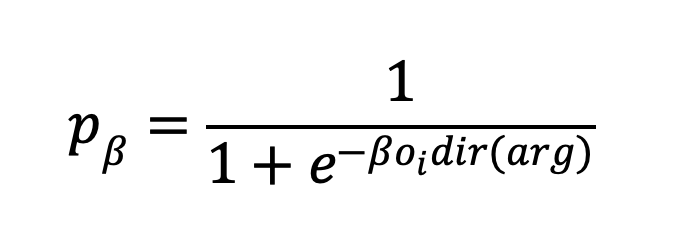
ESSA@work: Reflections and looking ahead

By Kavin Narasimhan, Silvia Leoni, Katharina Luckner, Dino Carpentras, and Natalie Davis*

essaatworkgroup@gmail.com

*All authors contributed equally – author order determined by a pseudo-random number generator and does not reflect their respective contributions.

Introduction

Since its inception in 2010, ESSA@work has been a mainstay at the annual Social Simulation Conference (SSC). It continues as a forum where beginners in individual- and agent-based modelling (hereon, ABM) present a work-in-progress model, along with specific problems and questions, to a community of practitioners to get feedback, suggestions, and tips for specific aspects of their modelling projects. During the session, participants present their model to an audience and two experts, the latter of whom are chosen for their constructive style of feedback and broad expertise. Participants are not required to answer questions or defend their work, as might be the case in a more traditional setting. Instead, experts enter into a dialogue with each other with the explicit goal of providing constructive feedback towards the progress of the project. After the expert discussion, the audience can also add constructive ideas and questions.

Each ESSA@work session is organised by a team of volunteers, who were often introduced to the format by being participants themselves. In the weeks prior to the SSC, this group drafts all necessary documents to elicit participation, selects participants, contacts experts, and distributes information via mailing lists and social media channels. During the sessions, they serve as chairs and provide outreach via social media. In between conferences and other events with ESSA@work sessions, organisers serve as points of contact for anyone who might want to organise a local ESSA@work session engage with the management of the broader European Social Simulation Association (ESSA), maintain information on the ESSA@work website (http://www.essa.eu.org/essawork/), and recruit the next generation of volunteers. Organisers typically stay on for a number of years, so that a continuity of knowledge on the processes is secured.

Over the years, a few themes that characterise ESSA@work have crystallised and indicate the importance of the track. In this contribution, we outline these themes: how ESSA@work provides a learning experience to participants and the audience, as well as the organisers; how it fosters interdisciplinarity; and how it builds upon a community of practice. We conclude with our wishes for its future.

Themes

Learning experience

The participants in ESSA@work tend to be early-career researchers, such as masters students, doctoral candidates, or post-doctoral researchers, but we have also had participants who are experienced academics, but new to ABM. For early-career researchers, participating holds additional benefits, as the SSC where they participate in ESSA@work may be their first (on-site) conference. For instance, this was the case for the SSC2022, which was held in a hybrid format after a long period of restrictions and uncertainty due to COVID-19. This deeply affected the career of young researchers: for some, most of their PhD has been spent online with no or little opportunity to participate in events such as annual conferences.

While the learning experience is focused on the participants and their contributions, it extends beyond them to include audience members and organisers as well, so that ESSA@work sessions present different learning channels. The first learning channel is focused on presentation and social skills. These general skills apply to any career path and are facilitated and supported by the friendly environment and specific format that ESSA@work implements. The practice of presenting unfinished work fosters collaboration, open conversations, and reflection, among peers and more senior academics alike, rather than an environment where participants must ‘defend’ their work from reviewers. Participants must adapt their presentation to a specific format, where they clearly address their doubts and issues. This requires them to put together a clear, concise presentation aligned with the non-standard focus of the track. We have one-page guidance, detailed guidance, and Frequently Asked Questions (FAQs) covering these aspects online (http://www.essa.eu.org/essawork/how-to-participate/ and http://www.essa.eu.org/essawork/faq/). The track then also facilitates and encourages the development of social skills by bringing together members of the ESSA community of all experience levels, allowing participants to develop their network of contacts and collaborations based on shared experiences and mentorship.

Secondly, there is the specific feedback from experts, including literature and data recommendations, and references to existing models or other contacts. This adds to or complements the feedback that participants (especially PhD students and postdocs) receive from their supervisors. Participants can find diverse, enriching suggestions with respect to the line of work that they were following, and new perspectives. For cases in which relationships with supervisors and mentors are proving to be difficult, or where supervisors are less familiar with ABM, this can be a crucial source of motivation and support for researchers who find themselves stuck in the process. This can also be a useful source of ideas for audience members with similar questions or challenges.

There is also the organiser’s experience. This usually starts with being involved as a participant in the track. As speakers, participants begin to familiarise themselves with the specific ESSA@work format, as well as with the steps, timing, and process that lead to the conference events. This is also a way to get in touch with former and current team members before officially joining the organisers’ team. After being introduced to ESSA@work as a participant or audience member, new members of the organising team receive training by current and/or former members in a process of knowledge transfer guided by prior experiences. This is put in place with the goal of sharing, improving from the past, and creating a community.

Once researchers have fully joined the team and start helping to prepare the next edition of ESSA@work, the learning opportunities are numerous. From building and strengthening their network of contacts across ESSA, to practising organisation and chairing (which would otherwise often come at a later career stage), reviewing submitted manuscripts, improving communication and coordination skills, and project and time management. Last but not least, organisers work in a team. This exercise of coordination is a fantastic occasion for learning-by-doing of how to adapt and organise heterogeneous skills, schedules, and expertise towards continuous improvement. On the one hand, this mimics co-authorship, and thus offers an opportunity to familiarise oneself with a frequent pattern in academic work; on the other hand, it emphasises and strengthens the feeling of community that characterises ESSA, and that is even stronger in the ESSA@work family.

Interdisciplinarity

Through our time as organisers, we have seen first-hand how diverse the ABM community is. The background of participants can include physics, ecology, computer science, economics, or psychology, just to name a few. This is a double-edged sword, as it both allows researchers to produce work connecting multiple disciplines, but can also result in work that is not accessible to the different audiences who may otherwise be interested in it.

For example, people from statistical physics may be very interested in solving the mean-field approximation of a model, while psychologists may be more interested in the qualitative interpretation of such a model. Similar problems also regard the use of technical terms. For example, terms like “experiment” are used by some to mean “computer simulation” and by others to mean “empirical experiment with real people.” Similarly, Edmund Chattoe-Brown found 5 different uses of the term “validation” (Chattoe-Brown, 2021). Therefore, while ABM can connect multiple different fields, research content can still be very hard to understand by multiple scientists. This can paradoxically result in more difficulty in reaching out or communicating results to some communities or fields (Carpentras, 2022).

ESSA@work can have a unique role in tackling this problem, as it allows people who have recently begun working with ABM to get an “inside view” of the ABM community. By presenting their work and research questions to experts in ABM, and receiving feedback from them, participants can have a smoother process to publishing their models, for example by avoiding common mistakes and pitfalls, and gain more insights on typical research questions, problems and jargon of ABM. This allows participants to get more acquainted with the ABM community and mindsets (as discussed in the next section), allowing for a better integration and long-term connection with the field.

Community building

When speaking of communities of practice, we ask how practitioners of a certain profession or discipline both shape and are shaped by their profession. ESSA@work has a role to play in both, but perhaps more heavily in the latter.

As a whole, ESSA seems to be actively shaping a community of practice in social simulation, more specifically ABM, through shared standards and protocols, regular exchanges, and collaborations across disciplines, all rallying around a specific method. For many members, this is a community separate to the one that they belong to on a day-to-day basis in their departments or organisations. There is active communal support in jointly shaping the rules that should govern the community and the method, as well as a continuous (and friendly) negotiation of who or what is included and excluded from the community and where overlaps with other communities might be (see recent discussion in the SIMSOC mailing list; https://www.jiscmail.ac.uk/cgi-bin/wa-jisc.exe?A2=ind2211&L=SIMSOC&O=D&P=19269). This is how the community shapes the practice – both actively and passively.

The other side of the coin is how the practice shapes the community. As discussed, ESSA@work sessions are often the place and time where new members are introduced to the community, and where their future outlook on the community and the method is significantly shaped. Through useful, tactful, and constructive feedback, new members are introduced to the core texts that at least partially constitute the collective imaginary of the community of practice, to the protocols that govern what constitutes good practice, and – perhaps most importantly – to the tone that the community uses in interacting with one another. ESSA@work therefore not only provides a forum for constructive feedback on work-in-progress, but also an experience which is useful to decide whether someone wants to be part of this community. With ‘alumni’ often coming back as organisers or panellists, and recommending the track to their peers and students, there is a sense that ESSA@work – and the attitude it embodies – is passed on through academic generations. It therefore becomes very much part of what we do, and how we do things, in the agent-based modelling community.

Future themes

As we look to the future for ESSA@work, we have considered both its continuing role in providing a multi-faceted learning experience and central point for the ESSA community, as well as how it can continue to contribute to the future of both ESSA and the field of agent-based modelling more broadly. Specifically, as agent-based modelling has become more accepted as a method for simulating and analysing complex systems, and therefore taken a more empirical turn, ESSA@work can have a unique role in fostering and maintaining the diversity of modelling purposes, which may otherwise become less valued in the rest of the scientific community.

Most participants have questions related to specific stages of their modelling journey. If you think of an ABM journey being roughly divided into the following stages: (1) conceptualisation and design, (2) development, (3) verification and calibration, (4) validation, and (5) simulations, uncertainty analysis and results, most ESSA@work participants are somewhere between steps 2 and 4 in their modelling journey. As step 1 presents several possibilities and needs longer for background work (like literature review, brainstorming, stakeholder consultation, etc.), we intentionally encourage participation in the forum from step 2 onwards, when the purpose, scope and objectives of models become clearer. This in turn enables specific modelling questions being put forth that can be usefully addressed within the time and space of an ESSA@work session. Over the years, we have received submissions from across disciplines and mostly focusing on issues in steps 2 to 4 of the modelling journey. More recently, we also started receiving submissions with questions about running simulation experiments, calibration and validation with empirical data, interpreting results, and conducting uncertainty analysis. We believe this speaks to ABM becoming more mainstream as a microsimulation approach during this period, enabled also by the availability and accessibility to powerful computing resources.

We find that when questions fall under modelling stages 2, 3 and 5, participants receive more direct answers as questions tend to be specific, which our practitioner community addresses based on their own work, or on wider references. On the other hand, questions about model validation (stage 4) could be quite broad and open-ended to attract a useful response in the time available. ‘How can I validate my model?’ – or the essence of this question worded differently – is a popular question in this category. A practical and straightforward answer to validate a model is to collect or use data on the modelled phenomenon, and use them as test data to check if the model replicates patterns of the test data. Often though, participants indicate that the test data do not exist or are difficult to obtain. This would then raise questions about the purpose of the model: specifically, whether it’s intended as a toy model to generate plausible explanations about an observed phenomenon (historically the realm of ABM), or as a specialised model to allow meaningful forecasts. Having the latter objective would mean that the model needs good quality data at every stage of model development, and lacking those data would raise concerns about the suitability of ABM in the first place to address the proposed research questions. Without validation, as robust as a model may be, it may not be trusted to generate valid predictions or forecasts.

On the other hand, where models are intended as ‘toy models’, lack of validation is less of a problem. These models are meant to inspire more informed research questions about observed phenomena, which can subsequently be explored through further targeted real-world experiments, data collection, modelling, or a combination thereof. These models also provide clear entry points to the discipline for someone just beginning to explore complex systems, ABM, or both – many of us can point to reading texts such as Growing Artificial Societies (Epstein and Axtell, 1996) as the first time we truly understood and connected with ABM. But somehow there appear to be fewer takers for developing toy models in recent years. This could be due to perceptions that toy models risk being dismissed as vague (or at least harder to publish), because practitioners are on tight timelines and thus experience a lack of time or room to experiment with toy models, or because of a need  to deliver model-based predictions (forecasts or projections) to satisfy specific project requirements.

We fear that any such bias against toy models might incur a cost in the form of compromised quality of models, or discourage new entrants and sponsors for ABM. The former is likely to occur when modellers try to build an overly complicated or specific model based on minimal, poor, or fragmented data, and thus possibly relying on too many assumptions that lack sound evidence. The latter could happen when ABM is solely intended as a means to an end rather than as a means to experiment. Reflecting on our journey and thinking ahead, we believe ESSA@work could avoid these outcomes by providing an unbiased, supportive, and well-connected incubatory forum to encourage the development and housing of toy models, which have sound methodological and modelling rigour, despite being unsuitable for prediction due to the lack of validation using empirical data. We could then expect that a growing bank of model examples and modellers would pave the way for ABM practice to flourish, alongside guiding data confidentiality, data collection, sharing, and management practices that allow turning toy models into specialised models in methodical, reusable, and reproducible ways. The prominence of ESSA@work in the ESSA network could allow us to take on such a role in the future if more ABM practitioners (at all stages of their modelling career) volunteer to support with running the forum and its activities.

Conclusion

ESSA@work offers a valuable learning experience for participants, audience members, and organisers alike. It has become an integral part of the SSC annual conference and especially of the ABM community. While this is the result of past efforts and activities, our current work looks to the future and aims at continuity with the past but also renovation and further development.

We strive to improve and make our team and community grow. For this reason, we always welcome new organisers to contribute in this joint effort to grow both the spectrum and the reach of our activities. To guarantee continuity of this track and continue to improve it, we believe that diversity in participation could play a major role in innovation and better identifying early career researchers’ and other participants’ needs in the coming years.

The COVID era has confronted us, among others, with different professional and academic challenges. We all transferred our work from on-site to remote or hybrid, and likewise we adapted to new formats to guarantee that the ESSA community could continue to meet. While originally the result of needs and adaptation, online and hybrid formats have proved to be effective in ensuring a wide reach and increased accessibility. The SSC2022 and SocSimFesT past editions showed the possibility and success of a plurality of formats and ways to meet, discuss, and progress our research. These formats are now integrated in our working life and they represent a possibility for ESSA@work to get in touch with new cohorts of international modellers.

ESSA@work is a friendly space for in-depth discussion and learning, and as such, it extends beyond the boundaries of the annual conference or on-site events. We aim to continue offering online or hybrid events in the hope that they will make participation more accessible and provide additional feedback to anyone who needs it. In addition, we encourage the organisation of local ESSA@work sessions. In order to do so, the ambition and priority of ESSA@work is preserving its function as a community-builder and ensuring that participants are supported and able to self-organise according to the challenges and needs arising from their research.

References

Carpentras, D. (2020) Challenges and opportunities in expanding ABM to other fields: the example of psychology. Review of Artificial Societies and Social Simulation, 20th December 2021. https://rofasss.org/2021/12/20/challenges/

Chattoe-Brown, E. (2022) Today We Have Naming Of Parts: A Possible Way Out Of Some Terminological Problems With ABM. Review of Artificial Societies and Social Simulation, 11th January 2022. https://rofasss.org/2022/01/11/naming-of-parts/

Epstein, J. M., & Axtell, R. (1996). Growing artificial societies: social science from the bottom up. Brookings Institution Press.


Narasimhan, K., Leoni, S., Luckner, K., Carpentras, D. and Davis, N. (2022) ESSA@work: Reflections and looking ahead. Review of Artificial Societies and Social Simulation, 20 Feb 2023. https://rofasss.org/2022/02/20/essawork


© The authors under the Creative Commons’ Attribution-NoDerivs (CC BY-ND) Licence (v4.0)
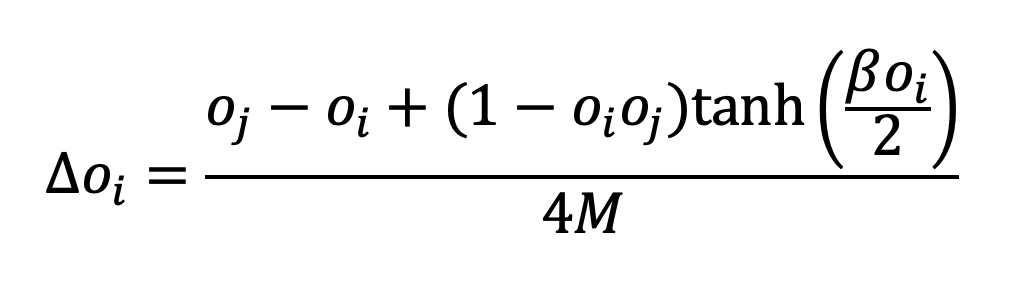
The inevitable “layering” of models to extend the reach of our understanding

By Bruce Edmonds

Just as physical tools and machines extend our physical abilities, models extend our mental abilities, enabling us to understand and control systems beyond our direct intellectual reach” (Calder  & al. 2018)

Motivation

There is a modelling norm that one should be able to completely understand one’s own model. Whilst acknowledging there is a trade-off between a model’s representational adequacy and its simplicity of formulation, this tradition assumes there will be a “sweet spot” where the model is just tractable but also good enough to be usefully informative about the target of modelling – in the words attributed to Einstein, “Everything should be made as simple as possible, but no simpler1. But what do we do about all the phenomena where to get an adequate model2 one has to settle for a complex one (where by “complex” I mean a model that we do not completely understand)? Despite the tradition in Physics to the contrary, it would be an incredibly strong assumption that there are no such phenomena, i.e. that an adequate simple model is always possible (Edmonds 2013).

There are three options in these difficult cases.

  • Do not model the phenomena at all until we can find an adequate model we can fully understand. Given the complexity of much around us this would mean to not model these for the foreseeable future and maybe never.
  • Accept inadequate simpler models and simply hope that these are somehow approximately right3. This option would allow us to get answers but with no idea whether they were at all reliable. There are many cases of overly simplistic models leading policy astray (Adoha & Edmonds 2017; Thompson 2022), so this is dangerous if such models influence decisions with real consequences.
  • Use models that are good for our purpose but that we only partially understand. This is the option examined in this paper.

When the purpose is empirical the last option is equivalent to preferring empirical grounding over model simplicity (Edmonds & Moss 2005).

Partially Understood Models

In practice this argument has already been won – we do not completely understand many computer simulations that we use and rely on. For example, due to the chaotic nature of the dynamics of the weather, forecasting models are run multiple times with slightly randomised inputs and the “ensemble” of forecasts inspected to get an idea of the range of different outcomes that could result (some of which might be qualitatively different from the others)4. Working out the outcomes in each case requires the computational tracking of a huge numbers of entities in a way that is far beyond what the human mind can do5. In fact, the whole of “Complexity Science” can be seen as different ways to get some understanding of systems for which there is no analytic solution6.

Of course, this raises the question of what is meant by “understand” a model, for this is not something that is formally defined. This could involve many things, including the following.

  1. That the micro-level – the individual calculations or actions done by the model each time step – is understood. This is equivalent to understanding each line of the computer code.
  2. That some of the macro-level outcomes that result from the computation of the whole model is understood in terms of partial theories or “rules of thumb”.
  3. That all the relevant macro-level outcomes can be determined to a high degree of accuracy without simulating the model (e.g. by a mathematical model).

Clearly, level (1) is necessary for most modelling purposes in order to know the model is behaving as intended. The specification of this micro-level is usually how such models are made, so if this differs from what was intended then this would be a bug. Thus this level would be expected of most models7. However, this does not necessarily mean that this is at the finest level of detail possible – for example, we usually do not bother about how random number generators work, but simply rely on its operation, but in this case we have very good level (3) of understanding for these sub-routines.

At the other extreme, a level (3) understanding is quite rare outside the realm of physics. In a sense, having this level of understanding makes the model redundant, so would probably not be the case for most working models (those used regularly)8. As discussed above, there will be many kinds of phenomena for which this level of understanding is not feasible.

Clearly, what many modelers find useful is a combination of levels (1) & (2) – that is, the detailed, micro-level steps that the model takes are well understood and the outcomes understood well enough for the intended task. For example, when using a model to establish a complex explanation9 (of some observed pattern in data using certain mechanisms or structures) then one might understand the implementation of the candidate mechanisms and verify that the outcomes fit the target pattern for a range of parameters, but not completely understand the detail of the causation involved. There might well be some understanding, for example how robust this is to minor variations in the initial conditions or the working of the mechanisms involved (e.g. by adding some noise to the processes). A complete understanding might not be accessible but this does not stop an explanation being established (although a  better understanding is an obvious goal for future research or avenue for critiques of the explanation).

Of course, any lack of a complete, formal understanding leaves some room for error. The argument here is not deriding the desirability of formal understanding, but is against prioritising that over model adequacy. Also the lack of a formal, level (3), understanding of a model does not mean we cannot take more pragmatic routes to checking it. For example: performing a series of well-designed simulation experiments that intend to potentially refute the stated conclusions, systematically comparing to other models, doing a thorough sensitivity analysis and independently reproducing models can help ensure their reliability. These can be compared with engineering methods – one may not have a proof that a certain bridge design is solid over all possible dynamics, but practical measures and partial modelling can ensure that any risk is so low as to be negligible. If we had to wait until bridge designs were proven beyond doubt, we would simply have to do without them.

Layering Models to Leverage some Understanding

As a modeller, if I do not understand something my instinct is to model it. This instinct does not change if what I do not understand is, itself, a model. The result is a model of the original model – a meta-model. This is, in fact, common practice. I may select certain statistics summarising the outcomes and put these on a graph; I might analyse the networks that have emerged during model runs; I may use maths to approximate or capture some aspect of the dynamics; I might cluster and visualise the outcomes using Machine Learning techniques; I might make a simpler version of the original and compare them. All of these might give me insights into the behaviour of the original model. Many of these are so normal we do not think of this as meta-modelling. Indeed, empirically-based models are already, in a sense, meta-models, since the data that they represent are themselves a kind of descriptive model of reality (gained via measurement processes).

This meta-modelling strategy can be iterated to produce meta-meta-models etc. resulting in “layers” of models, with each layer modelling some aspect of the one “below” until one reaches the data and then what the data measures. Each layer should be able to be compared and checked with the layer “below”, and analysed by the layer “above”.

An extended example of such layering was built during the SCID (Social Complexity of Immigration and Diversity) project10 and illustrated in Figure 1. In this a complicated simulation (Model 1) was built to incorporate some available data and what was known concerning the social and behavioural processes that lead people to bother to vote (or not). This simulation was used as a counter-example to show how assumptions about the chaining effect of interventions might be misplaced (Fieldhouse et al. 2016). A much simpler simulation was then built by theoretical physicists (Model 2), so that it produced the same selected outcomes over time and aa range of parameter values. This allowed us to show that some of the features in the original (such as dynamic networks) were essential to get the observed dynamics in it (Lafuerza et al. 2016a). This simpler model was in turn modelled by an even simpler model (Model 3) that was amenable to an analytic model (Model 4) that allowed us to obtain some results concerning the origin of a region of bistability in the dynamics (Lafuerza et al. 2016b).

Layering fig 1

Figure 1. The Layering of models that were developed in part of the SCID project

Although there are dangers in such layering – each layer could introduce a new weakness – there are also methodological advantages, including the following. (A) Each model in the chain (except model 4) is compared and checked against both the layer below and that above. Such multiple model comparisons are excellent for revealing hidden assumptions and unanticipated effects. (B) Whilst previously what might have happened was a “heroic” leap of abstraction from evidence and understanding straight to Model 3 or 4, here abstraction happens over a series of more modest steps, each of which is more amenable to checking and analysis. When you stage abstraction the introduced assumptions are more obvious and easier to analyse.

One can imagine such “layering” developing in many directions to leverage useful (but indirect) understanding, for example the following.

  • Using an AI algorithm to learn patterns in some data (e.g. medical data for disease diagnosis) but then modelling its working to obtain some human-accessible understanding of how it is doing it.
  • Using a machine learning model to automatically identify the different “phase spaces” in model results where qualitatively different model behaviour is exhibited, so one can then try to simplify the model within each phase.
  • Automatically identifying the processes and structures that are common to a given set of models to facilitate the construction of a more general, ‘umbrella’ model that approximates all the outcomes that would have resulted from the set, but within a narrower range of conditions.

As the quote at the top implies, we are used to settling for partial control of what machines do because it allows us to extend our physical abilities in useful ways. Each time we make their control more indirect, we need to check that this is safe and adequate for purpose. In the cars we drive there are ever more layers of electronic control between us and the physical reality it drives through which we adjust to – we are currently adjusting to more self-drive abilities. Of course, the testing and monitoring of these systems is very important but that will not stop the introduction of layers that will make them safer and more pleasant to drive.

The same is true of our modelling, which we will need to apply in ever more layers in order to leverage useful understanding which would not be accessible otherwise. Yes, we will need to use practical methods to test their fitness for purpose and reliability, and this might include the complete verification of some components (where this is feasible), but we cannot constrain ourselves to only models we completely understand.

Concluding Discussion

If the above seems obvious, then why am I bothering to write this? I think for a few reasons. Firstly, to answer the presumption that understanding one’s model must have priority over all other considerations (such as empirical adequacy) so that sometimes we must accept and use partially understood models. Secondly, to point out that such layering has benefits as well as difficulties – especially if it can stage abstraction into more verifiable steps and thus avoid huge leaps to simple but empirically-isolated models. Thirdly, because such layering will become increasingly common and necessary.

In order to extend our mental reach further, we will need to develop increasingly complicated and layered modelling. To do this we will need to accept that our understanding is leveraged via partially understood models, but also to develop the practical methods to ensure their adequacy for purpose.

Notes

[1] These are a compressed version of his actual words during a 1933 lecture, which were: “It can scarcely be denied that the supreme goal of all theory is to make the irreducible basic elements as simple and as few as possible without having to surrender the adequate representation of a single datum of experience.” (Robinson 2018)
[2] Adequate for whatever our purpose for it is (Edmonds & al. 2019).
[3]The weasel words I once heard from a Mathematician excusing an analytic model he knew to be simplistic were: that, although he knew it was wrong, it was useful for “capturing core dynamics” (though how he knew that they were not completely wrong eludes me).
[4] For an introduction to this approach read the European Centre for Medium-Range Weather Forecasts’ fact sheet on “Ensemble weather forecasting” at: https://www.ecmwf.int/en/about/media-centre/focus/2017/fact-sheet-ensemble-weather-forecasting
[5] In principle, a person could do all the calculations involved in a forecast but only with the aid of exterior tools such as pencil and paper to keep track of it all so it is arguable whether the person doing the individual calculations has an “understanding” of the complete picture. Lewis Fry Richardson, who pioneered the idea of numerical forecasting of weather in the 1920s, did a 1-day forecast by hand to illustrate his method (Lynch 2008), but this does not change the argument.
[6] An analytic solution is when one can obtain a closed-form equation that characterises all the outcomes by manipulating the mathematical symbols in a proof. If one has to numerically calculate outcomes for different initial conditions and parameters this is a computational solution.
[7] For purely predictive models, whose purpose is only to anticipate an unknown value to a useful level of accuracy, this is not strictly necessary. For example, how some AI/Machine learning models work may not clear at the micro-level, but as long as it works (successfully predicts) this does not matter – even if its predictive ability is due to a bug.
[8] Models may still be useful in this case, for example to check the assumptions made in the matching mathematical or other understanding.
[9] For more on this use see (Edmonds et al. 2019).
[10] For more about this project see http://cfpm.org/scid

Acknowledgements

Bruce Edmonds is supported as part of the ESRC-funded, UK part of the “ToRealSim” project, 2019-2023, grant number ES/S015159/1 and was supported as part of the EPSRC-funded “SCID” project 2010-2016, grant number EP/H02171X/1.

References

Calder, M., Craig, C., Culley, D., de Cani, R., Donnelly, C.A., Douglas, R., Edmonds, B., Gascoigne, J., Gilbert, N. Hargrove, C., Hinds, D., Lane, D.C., Mitchell, D., Pavey, G., Robertson, D., Rosewell, B., Sherwin, S., Walport, M. and Wilson, A. (2018) Computational modelling for decision-making: where, why, what, who and how. Royal Society Open Science, DOI:10.1098/rsos.172096.

Edmonds, B. (2013) Complexity and Context-dependency. Foundations of Science, 18(4):745-755. DOI:10.1007/s10699-012-9303-x

Edmonds, B. and Moss, S. (2005) From KISS to KIDS – an ‘anti-simplistic’ modelling approach. In P. Davidsson et al. (Eds.): Multi Agent Based Simulation 2004. Springer, Lecture Notes in Artificial Intelligence, 3415:130–144. DOI:10.1007/978-3-540-32243-6_11

Edmonds, B., le Page, C., Bithell, M., Chattoe-Brown, E., Grimm, V., Meyer, R., Montañola-Sales, C., Ormerod, P., Root H. & Squazzoni. F. (2019) Different Modelling Purposes. Journal of Artificial Societies and Social Simulation, 22(3):6. DOI:10.18564/jasss.3993

Fieldhouse, E., Lessard-Phillips, L. & Edmonds, B. (2016) Cascade or echo chamber? A complex agent-based simulation of voter turnout. Party Politics. 22(2):241-256.  DOI:10.1177/1354068815605671

Lafuerza, LF, Dyson, L, Edmonds, B & McKane, AJ (2016a) Simplification and analysis of a model of social interaction in voting, European Physical Journal B, 89:159. DOI:10.1140/epjb/e2016-70062-2

Lafuerza L.F., Dyson L., Edmonds B., & McKane A.J. (2016b) Staged Models for Interdisciplinary Research. PLoS ONE, 11(6): e0157261. DOI:10.1371/journal.pone.0157261

Lynch, P. (2008). The origins of computer weather prediction and climate modeling. Journal of Computational Physics, 227(7), 3431-3444. DOI:10.1016/j.jcp.2007.02.034

Robinson, A. (2018) Did Einstein really say that? Nature, 557, 30. DOI:10.1038/d41586-018-05004-4

Thompson, E. (2022) Escape from Model Land. Basic Books. ISBN-13: 9781529364873


Edmonds, B. (2023) The inevitable “layering” of models to extend the reach of our understanding. Review of Artificial Societies and Social Simulation, 9 Feb 2023. https://rofasss.org/2023/02/09/layering


© The authors under the Creative Commons’ Attribution-NoDerivs (CC BY-ND) Licence (v4.0)